Why top unlisted companies India 2026 deserve more than a hype list
India’s private markets have scaled to listed-company sizes while still trading off-exchange. Retail and semi-professional investors increasingly use platforms like Precize to research unlisted shares in India, compare pre-IPO stocks, and understand indicative unlisted share prices before allocation decisions.
This article keeps one foot in data (what Precize shows) and one in context (what each business actually does). For broader education, you can also browse the Precize blog for process guides and market explainers.
Top unlisted companies India 2026
Below, share prices and market caps are indicative as displayed on Precize at the stated dates. P/E and ROE are useful comparators but can mislead across sectors (financials vs consumer vs loss-making tech).
1. National Stock Exchange of India (NSE)
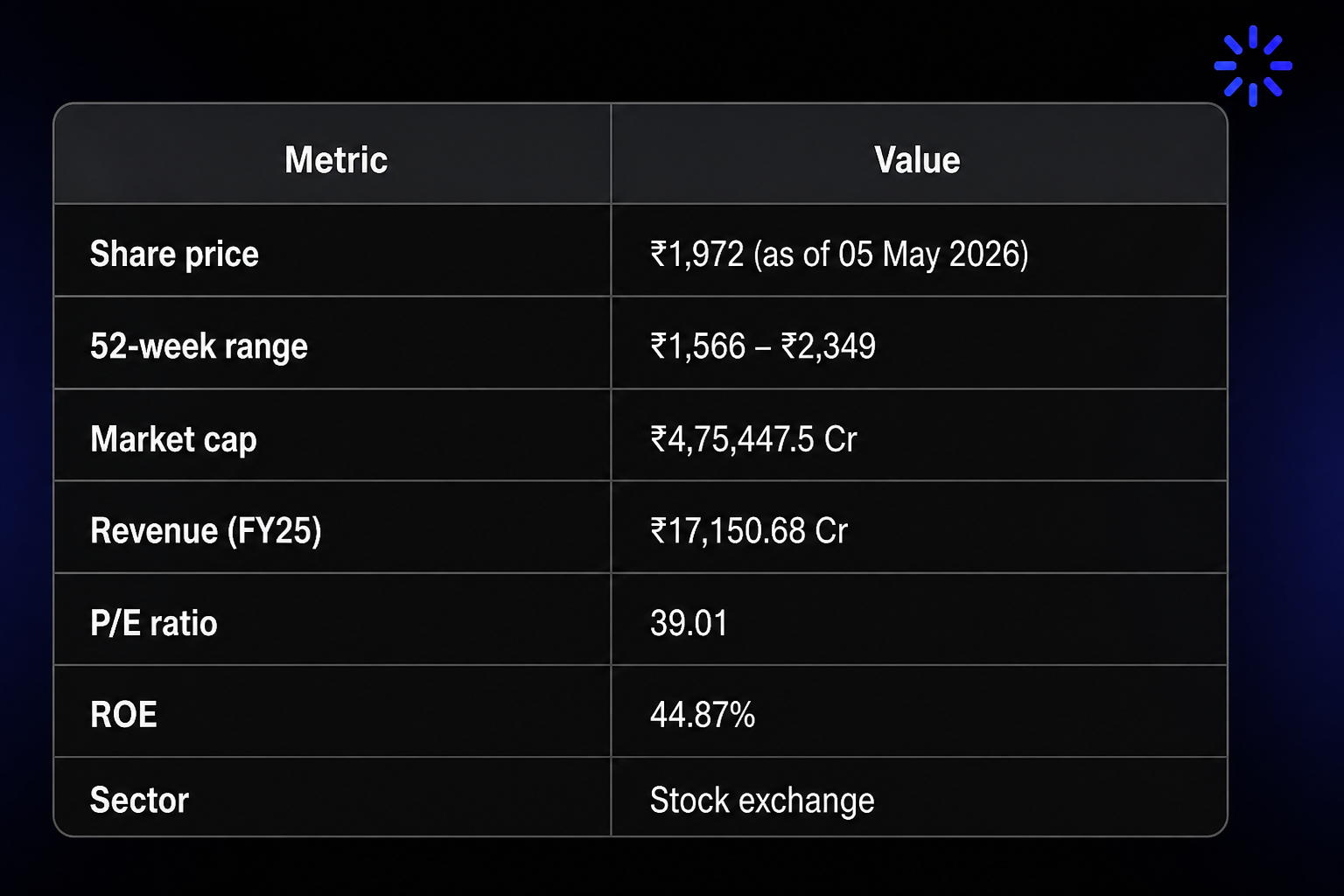
The exchange that routes most of India’s cash and derivatives activity is itself not listed. NSE has been among the world’s largest derivatives exchanges by volume and handles the dominant share of India’s cash and F&O flows.
FY25 revenue of ₹17,150.68 crore and ROE of 44.87% illustrate strong economics tied to trading and clearing infrastructure. Debt-to-equity is minimal (~0.02), consistent with an asset-light exchange model.
The long-running IPO / OFS story has moved in fits and starts; large institutional shareholders have featured in media reports around stake sales. When NSE lists, it would likely rank among India’s most watched listings in years. Why it ranks first here: scale, profitability, and systemic importance.
Authority note: Market-wide statistics often appear on the NSE India website; always cross-check exchange publications when you need official figures.
2. Nayara Energy
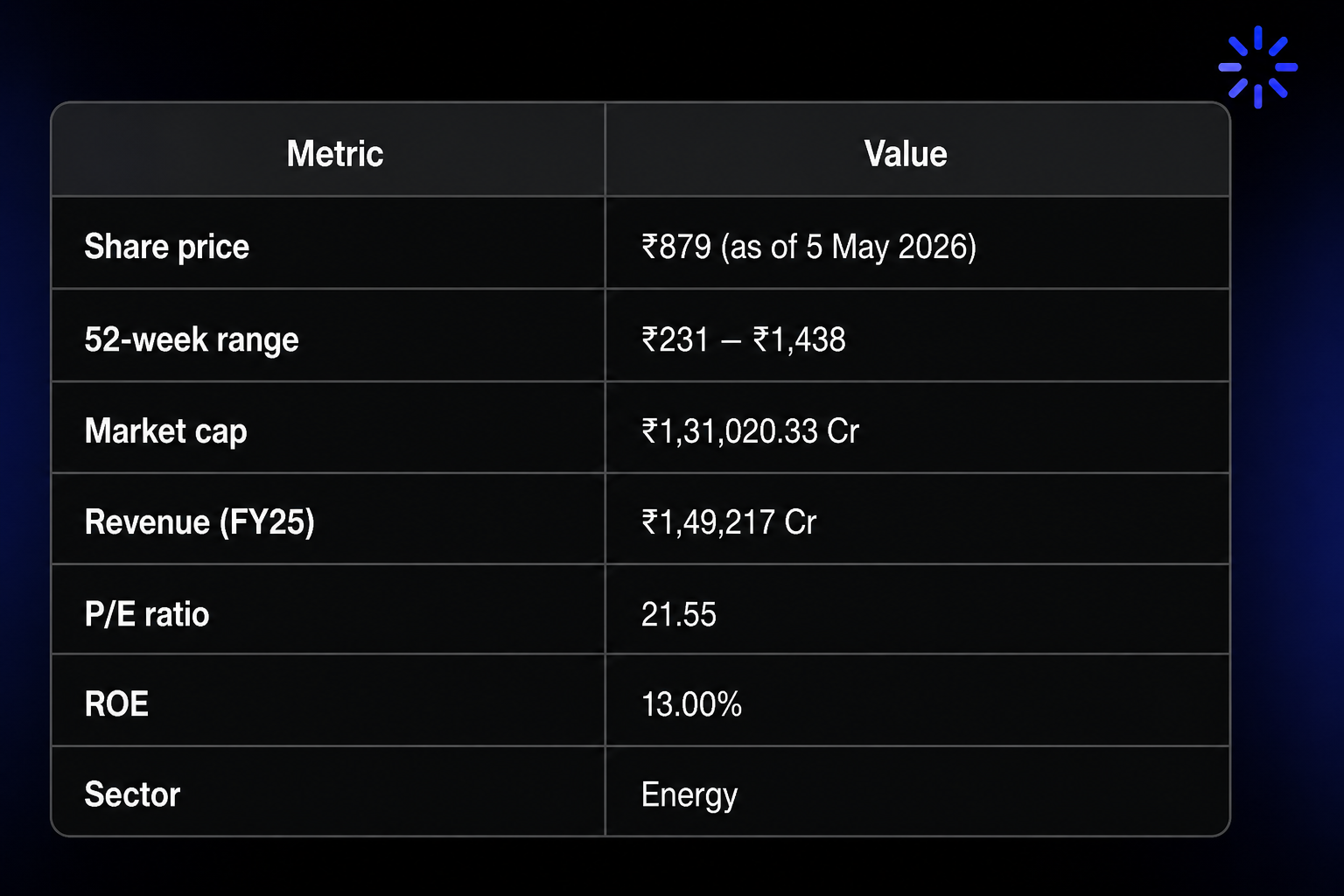
Nayara operates the Vadinar refinery in Gujarat (~20 MMTPA), among India’s largest refineries, and supplies a meaningful slice of national refining capacity. FY25 revenue of ₹1,49,217 crore makes it the highest-revenue name in this top ten.
The wide 52-week band reflects commodity cycles, crack spreads, and geopolitical sensitivity; ownership includes Rosneft-linked and domestic stakeholders at roughly 49% / 49% each (with a smaller joint partner), which matters for governance and headline risk.
Retail fuel scale (thousands of outlets) keeps Nayara embedded in India’s energy chain. Why it matters: strategic infrastructure, cyclical earnings power, and deep revenue base.
3. SBI Fund Management (SBIMF)
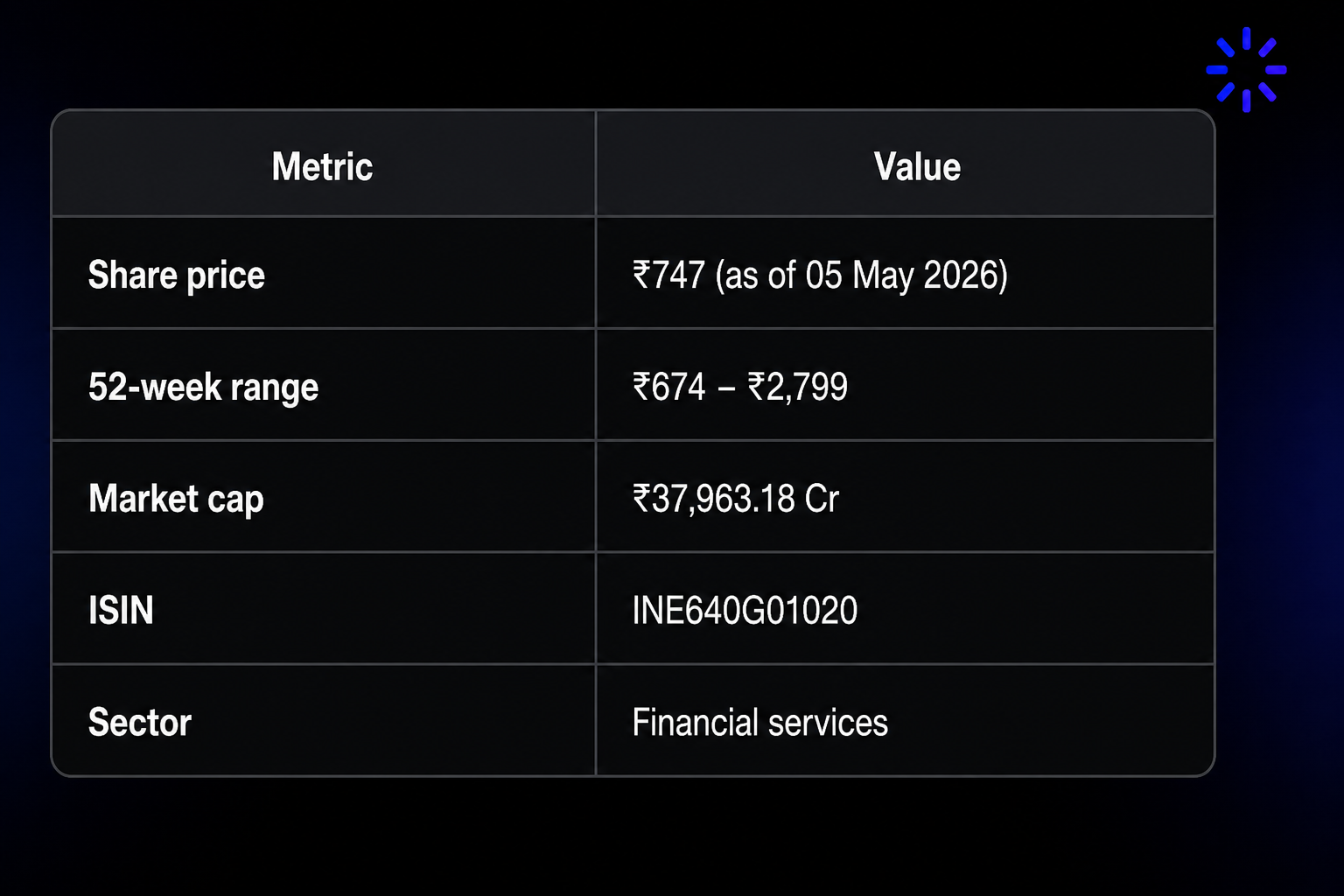
SBIMF is the JV between State Bank of India and Amundi that backs SBI Mutual Fund, India’s largest mutual-fund franchise by AUM, having crossed landmark AUM thresholds in recent years.
The distribution footprint is national (hundreds of branches, large distributor networks, crores of investors). Beyond mutual funds, the group offers PMS and AIF routes for wealthier clients.
The 52-week high near ₹2,799 versus current levels illustrates how IPO expectations can detach from near-term trading in private hands. Media has discussed a large AMC IPO; if it happens, it would draw institutional and retail attention. Why it matters: Structural MF penetration, SIP culture, and a credible listing candidate among asset managers.
4. Capgemini Technology Services India
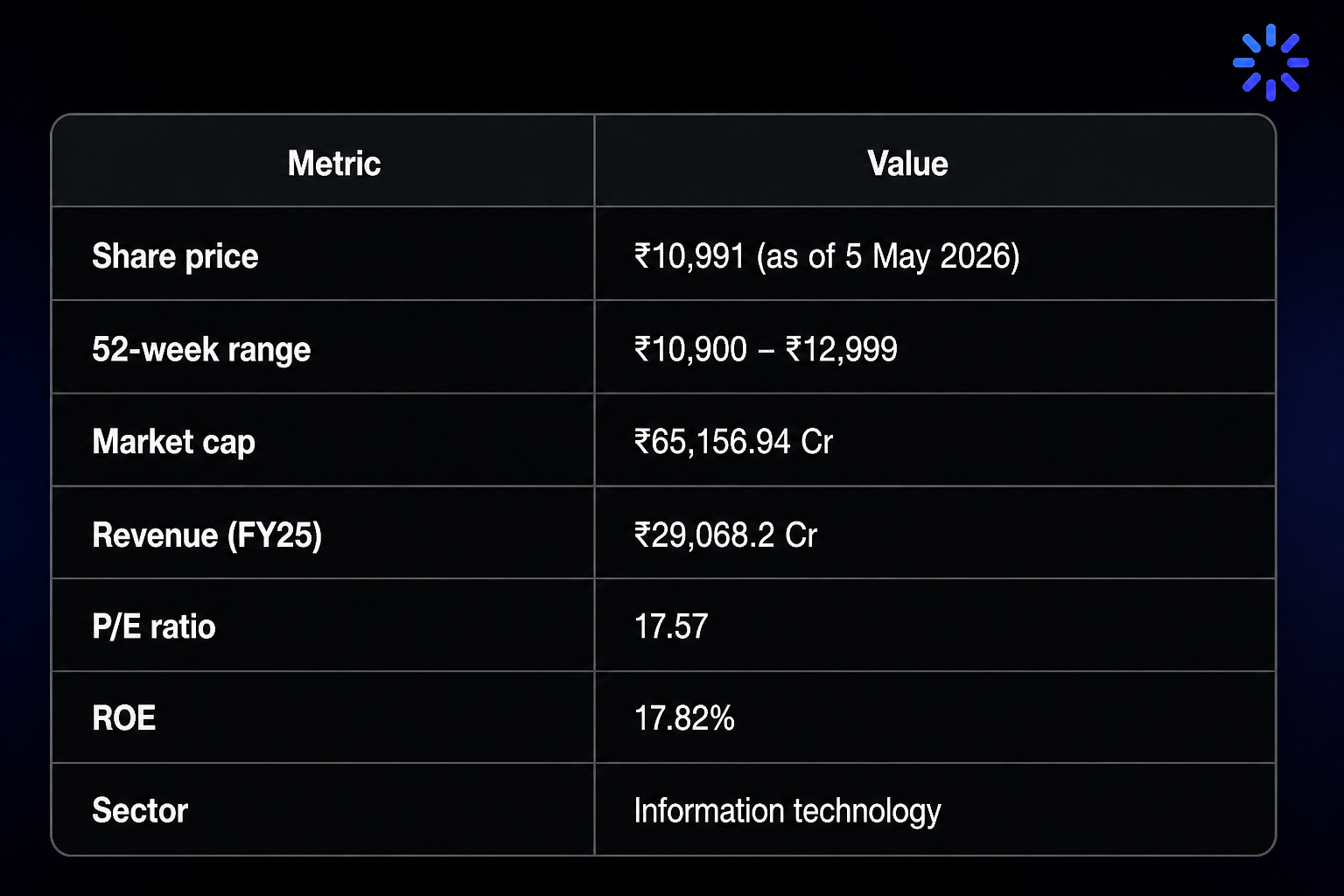
This entity is the India spine for Capgemini’s global delivery: large development centres, enterprise clients, and deep benches across finance, manufacturing, and public-sector IT.
It delisted from Indian exchanges years ago and now trades in private hands; high per-share rupee prices often reflect low share count / consolidation, not “expensive vs Infosys” on a naive screen.
FY25 revenue of ₹29,068 crore places it among India’s largest IT services balance sheets in the unlisted bucket. Why it matters: profitable IT services at scale, global parentage, and valuations that you should compare to listed IT peers with care.
5. Imagine Marketing (boAt)
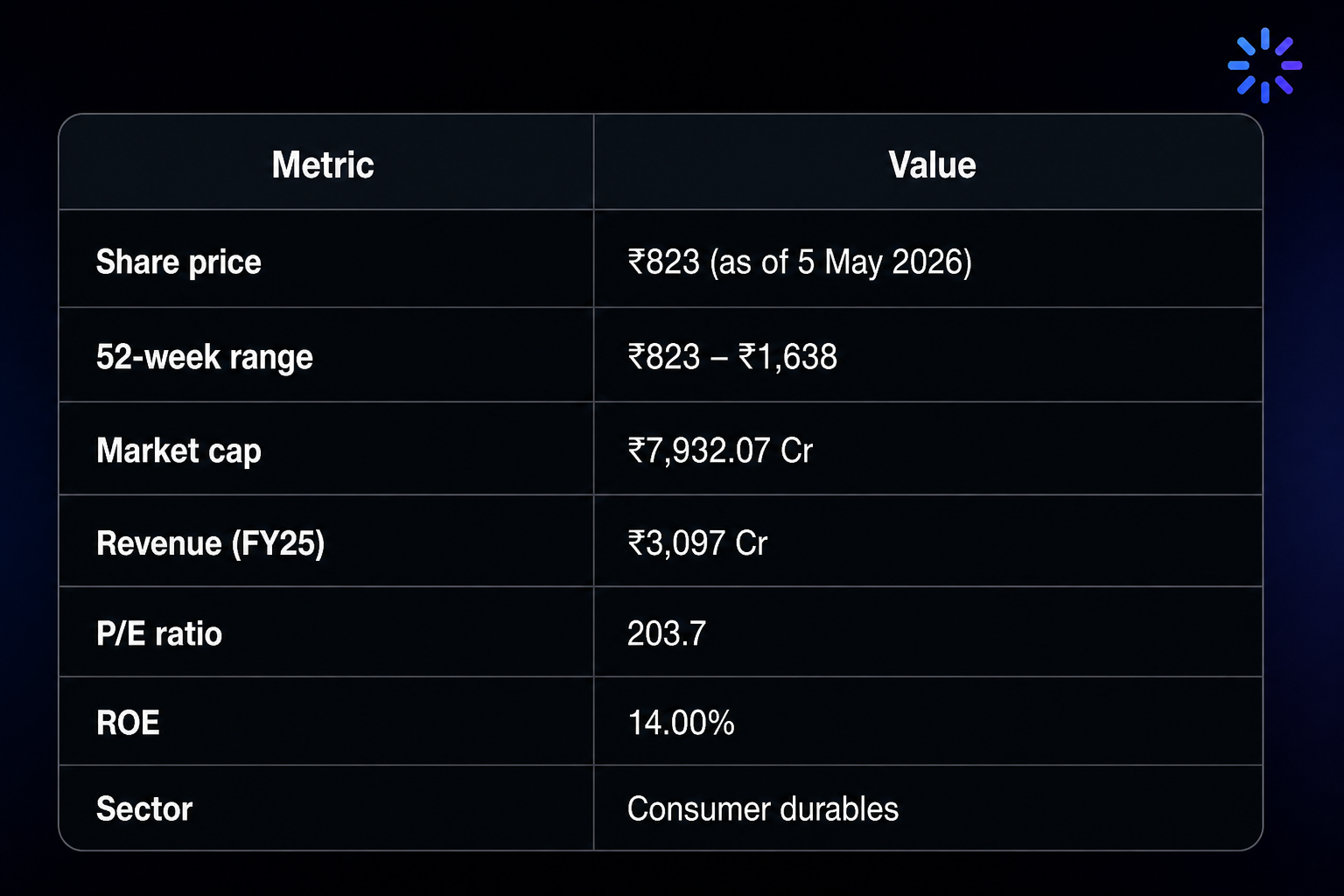
boAt built a direct-to-consumer audio and wearables franchise used daily by millions. Share in branded personal audio by value has been material, though competition from global and Indian rivals remains intense.
The stock sits at the lower end of its 52-week range on Precize as of the snapshot date; P/E near 204x signals growth expectations baked in, not cheapness in a value-investing sense.
SEBI approval pathways for a ₹1,500 crore IPO (per earlier filings and press coverage) position boAt as a retail-friendly listing story if markets cooperate. Why it matters: brand recognition, omni-channel distribution, and clear consumer-electronics narrative for pre-IPO watchers.
6. Oravel Stays (OYO Rooms)
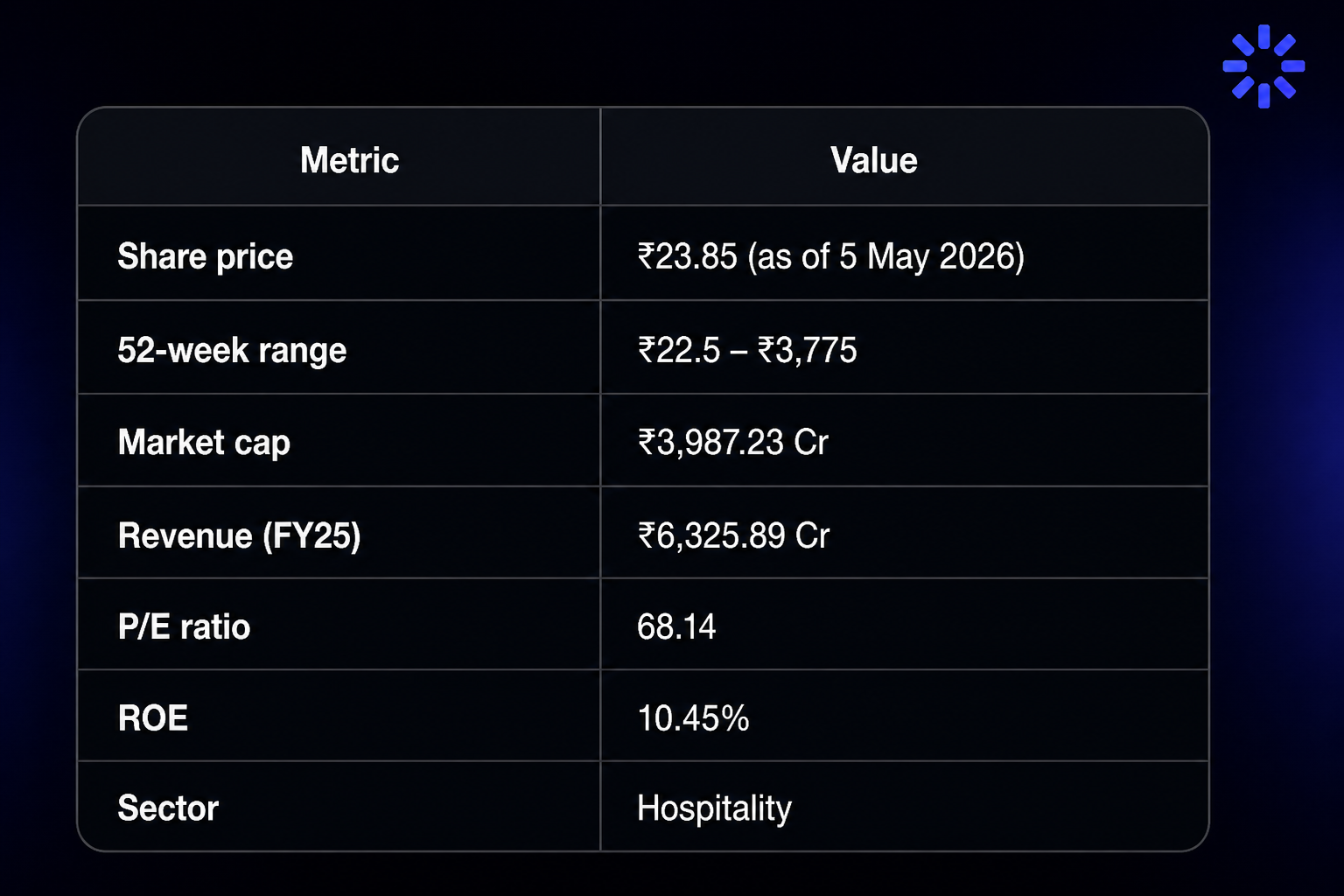
OYO’s 52-week range is extreme because of corporate actions, capital structure changes, and share consolidation across funding rounds. Always reconcile per-share prices with classes of shares and ESOP pools before comparing to listed hotels.
The operating story is global footprint + franchised stays, with FY25 revenue of ₹6,325.89 crore and positive ROE in the snapshot period marking progress versus the burn-heavy past.
SEBI DRHP activity and press commentary around IPO sizing keep OYO on best pre-IPO stocks India watchlists, but listing timing remains uncertain. Why it matters: scale, brand, and a profitability narrative that still competes with macro travel cycles.
7. Chennai Super Kings (CSK)
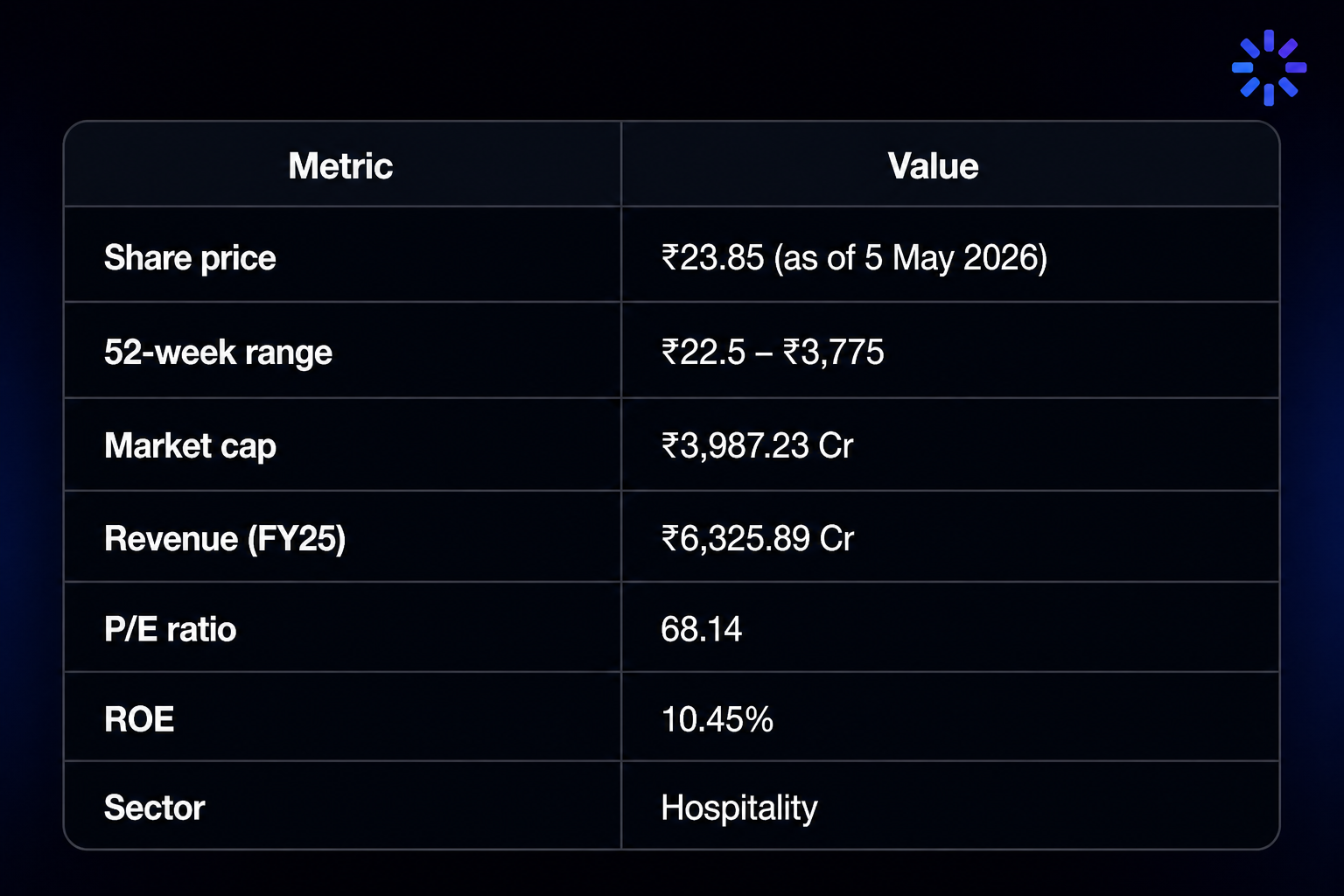
CSK is a rare case of IPL economics meeting equity-like instruments in private markets. Revenue mixes media, sponsorship, ticketing, and merchandise; loyalty doubles as pricing power.
FY25 PAT of ₹148.32 crore on ₹704.28 crore revenue with ROE ~23.9% shows strong conversion for a sports franchise. Older third-party brand valuations exist but age quickly; treat them as directional, not trading signals.
Why it matters: Differentiated asset class, periodic IPL cash flows, and continued retail fascination.
8. InCred Holdings
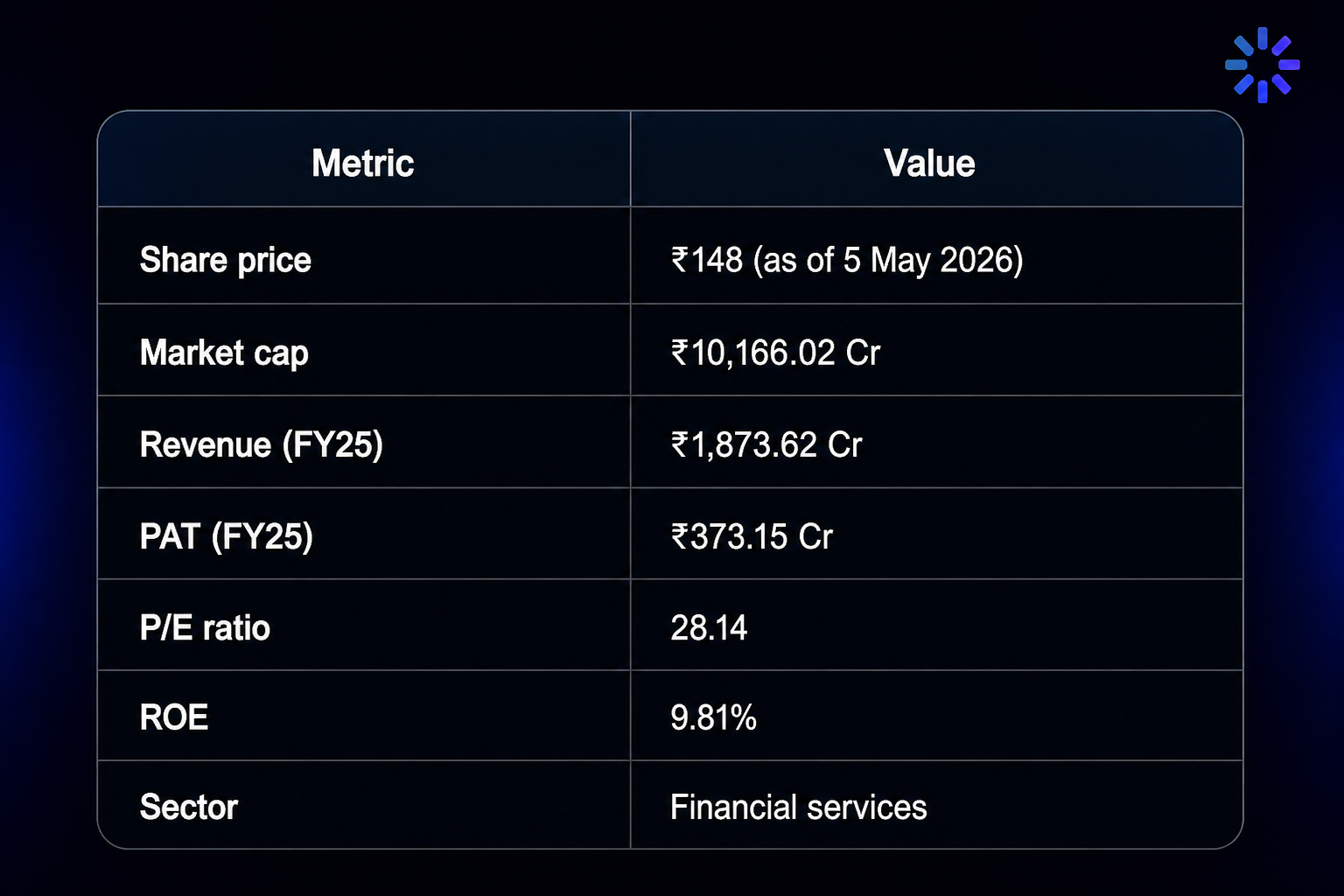
InCred spans NBFC lending, capital markets / advisory, and wealth-tech under one holding structure. KKR features as a major external shareholder (~23% zone), which matters for governance and growth capital.
FY25 PAT of ₹373.15 crore on ₹1,873.62 crore revenue shows operating leverage in lending and fee businesses. A confidential DRHP filing (per press reports) flags IPO optionality for 2026.
Why it matters: Diversified financial services with profitable lend + distribute + advise combinations.
9. Zepto
Zepto competes in 10-minute (or nearby) grocery and essentials delivery, up against other quick-commerce arms of large platforms. Industry forecasts for India’s quick-commerce market span wide ranges through 2028; treat them as scenarios, not guarantees.
A confidential DRHP filed in late 2025 signals IPO intent, but loss-making economics mean the investment case is growth + eventual margin, not current earnings. Why it matters: category tailwinds with binary risk around competition and regulation.
10. API Holdings (PharmEasy)
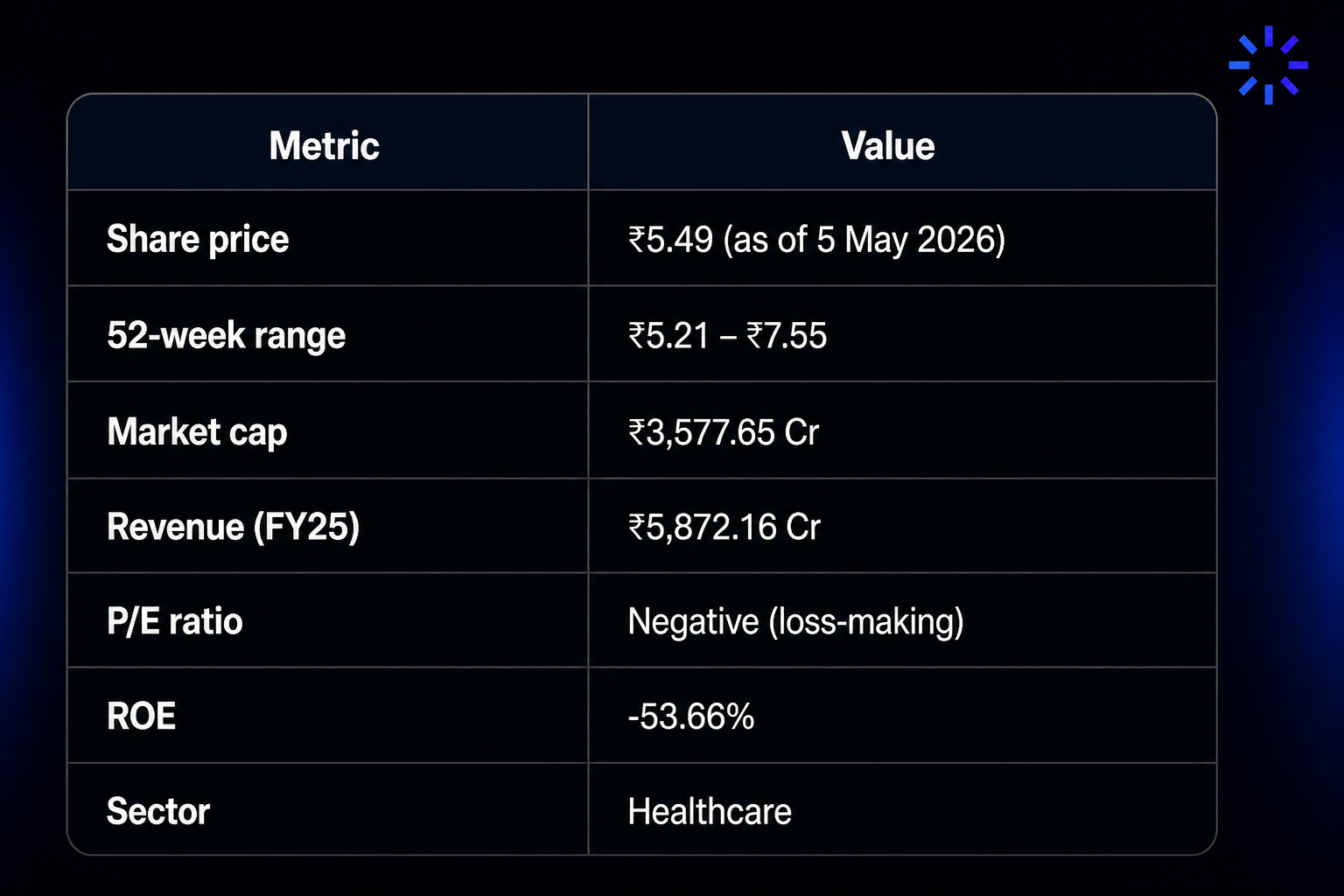
PharmEasy connects consumers, pharmacies, diagnostics, and clinics in one stack. FY25 revenue of ₹5,872.16 crore proves operating scale; negative ROE shows profitability is still the open question after past expansion.
Promoter / founder ownership is thin in filings (~mid-single digits), which can affect strategic control perceptions. Why it matters: Digital health tailwinds with turnaround risk; suitable only for investors who model liquidity and dilution explicitly.
Themes across the top 10
Financial infrastructure: NSE, SBIMF, and InCred sit on India’s savings and credit supercycle; each captures fees or spreads differently.
“New India” consumer brands: boAt, OYO, Zepto, and PharmEasy bundle mobile-first distribution; risk sits in valuations vs profits.
Heavy industry: Nayara shows how commodity and crack cycles dominate earnings even when revenue looks enormous.
Unique franchises: CSK proves that IP rights + fan bases can monetise like consumer brands.
Conclusion
Top unlisted companies in India for 2026 are not a monolith: they include monopoly-like infrastructure, cyclical refiners, fee-earning finance, and high-risk growth names. Precize’s screener helps you sort signals from gossip with structured data, but it cannot replace your risk limits.
Start with the Precize screener, layer in filings, and only size positions you can hold through illiquidity and IPO delays.
Disclaimer: This article is for informational purposes only and should not be considered investment advice. Investing in unlisted shares carries risks including illiquidity and potential loss of capital. Please consult a qualified financial adviser before making investment decisions. Precize is not a stock exchange and is not authorised by any capital markets regulator.