Investing in stocks is a powerful strategy for building long-term wealth. However, the real challenge lies in selecting the right stocks, which requires careful research and analysis.
For beginners, a great starting point is to review a company’s financial statements, which offer a snapshot of its financial standing. Among these, the balance sheet is crucial because it reveals the company’s financial position at a specific time, usually at the end of the financial year.
This blog explores effective investment strategies by examining the importance of the balance sheet, its key components, and role in stock market analysis.
Understanding What a Balance Sheet Is?
It’s one of the important financial statements of a company, alongside the cash flow statement and the income statement. It shows the company’s assets (what it owns), liabilities (what it owes), and shareholder equity (net worth of a company) on a specific date, usually at the end of the financial year.
In simpler terms, the balance sheet gives you a clear picture of what a business owns, what it owes, and the value held by the owners at the end of the financial year.
Now that we understand a balance sheet, let’s consider why it’s important.
Importance of the Balance Sheet
The balance sheet is crucial for evaluating a company’s financial health. It gives a clear view of its liabilities, assets and shareholder equity at a given time. Here’s why it matters:
It highlights what a company owns and owes at the end of the financial year, offering a clear picture of its financial standing.
Creditors and lenders rely on the balance sheet to assess whether the company can meet its obligations by comparing assets with liabilities.
Investors and stakeholders use the balance sheet to monitor changes in a company’s financial position over time, helping them evaluate overall performance
Components of a Balance Sheet
The balance sheet comprises three key components: Assets, Liabilities, and Shareholders’ Equity. Let’s break down each component and see what accounts are included.
Assets: This section shows the total value of the company’s resources, including everything the company owns, tangible (like buildings) and intangible (like patents).
Assets are further divided into two categories:
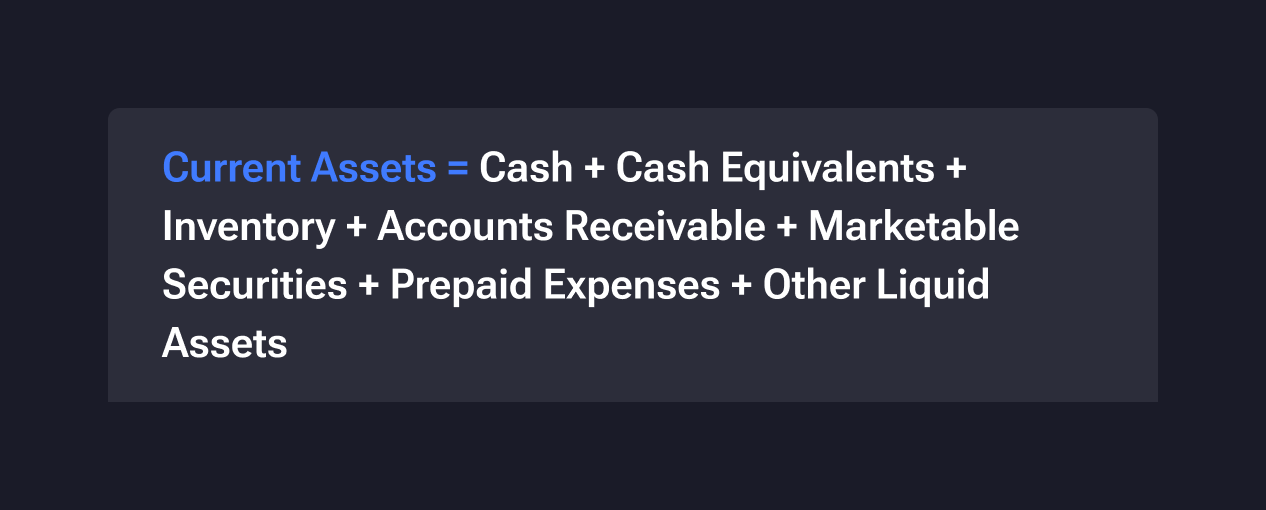
Current Assets: These resources can be quickly converted into cash, usually within a year. Examples include cash, inventory, short-term investments, and accounts receivable.
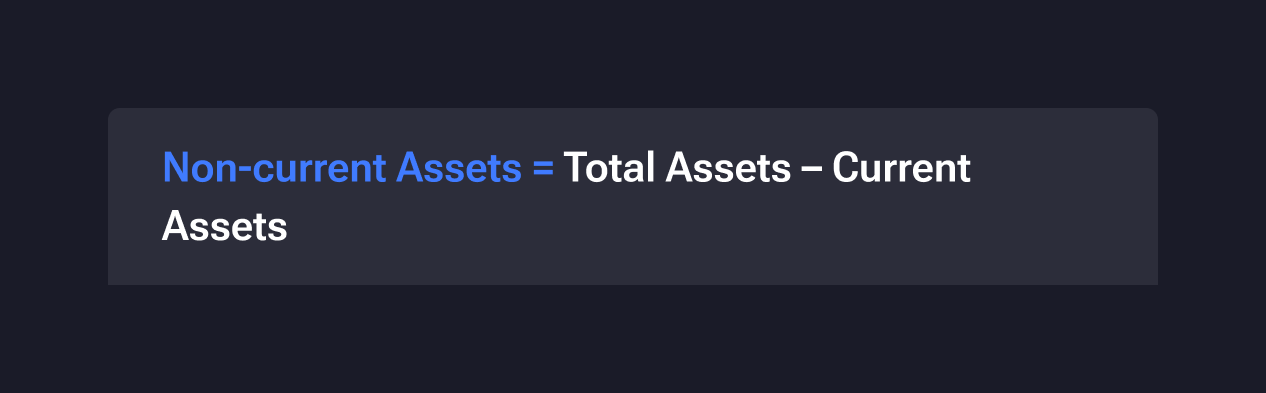
Non-current Assets: These are long-term resources used for business operations and revenue generation. They include items like property, machinery, and long-term investments. Non-current assets typically have a higher value compared to current assets.
Liabilities
Liabilities represent what the company owes. They include short-term obligations (current liabilities) and long-term debts (non-current liabilities).
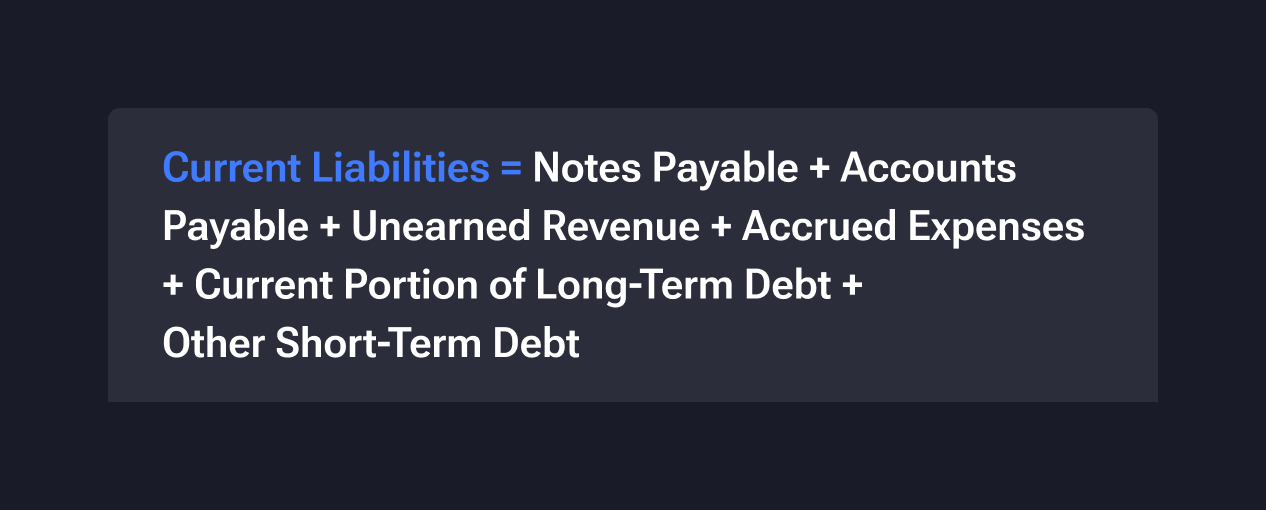
Current Liabilities: These are the company’s short-term obligations that must be paid within a year, such as salaries, accounts payable, taxes, and dividends.
Non-current Liabilities: These are long-term debts and obligations the company needs to pay off over a longer period. Examples include long-term loans, bonds payable, and deferred tax liabilities.
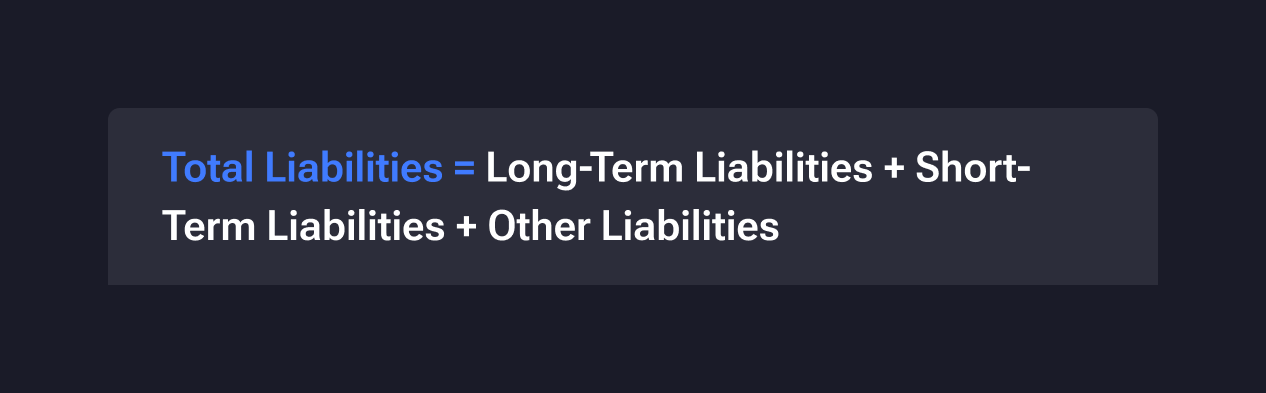
Total Liabilities: The sum of all the company’s short-term and long-term obligations. Understanding total liabilities helps understand the company’s financial commitments and how well it can manage its debts while maintaining enough cash flow to cover these obligations.
Shareholder’s Equity:
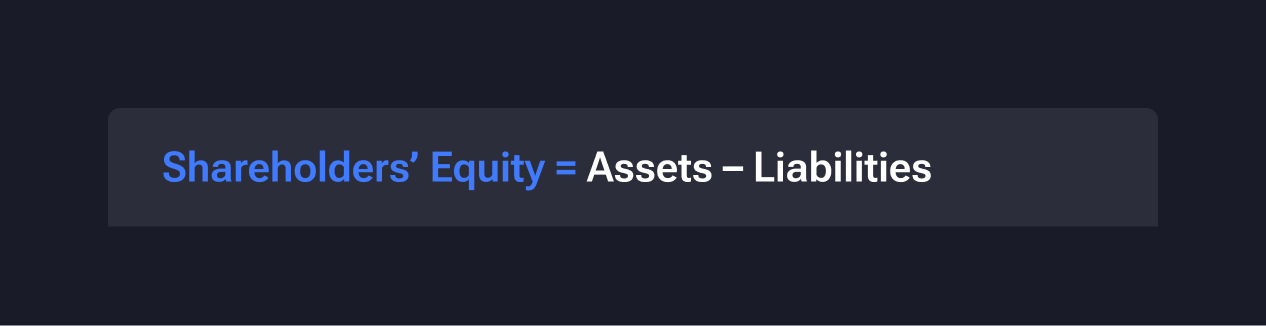
Shareholder’s equity represents the owner’s and shareholder’s stake in the company. It includes components like paid-in capital, retained earnings, and treasury stock. Simply put, this is what’s left for the owners after all liabilities have been paid off.
Other Balance Sheet Terms You Should Know for Stock Analysis
Fixed Assets: These are tangible items the company owns, like land, buildings, machinery, furniture, and equipment. Fixed assets usually have the highest value on the balance sheet.
Other Assets: These assets don’t fit into the typical categories of current or non-current assets.
Total Assets: This represents the total value of everything the company owns, including current, fixed, non-current, and other assets.
Gross Block: Gross block shows the original fixed asset cost before accounting for depreciation. It indicates how much the company initially paid for its assets.
Accumulated Depreciation: When a company buys a fixed asset, it spreads the cost over the asset’s useful life, recording a portion each year as depreciation. Accumulated depreciation represents the total depreciation recorded on the asset so far.
Equity Capital: Equity capital, or owner’s capital, represents the portion of the company’s assets that belong to the owners after all liabilities are paid off. It includes common stock, preferred stock, additional paid-in capital, and retained earnings.
Reserves: Reserves are funds set aside from a company’s profits for specific purposes, like future expansion, debt repayment, or dividend payments.
Borrowings: Borrowings refer to money the company has borrowed from external sources, like banks or bondholders. These are liabilities on the balance sheet since they must be repaid with interest.
Contingent Liabilities:
These are potential liabilities that might arise based on the outcome of a future event. For example, if a company is involved in a lawsuit and might have to pay a settlement if it loses, that potential payment is a contingent liability.
Capital Work in Progress (CWIP):
CWIP represents the costs of assets that are still under construction or development. For instance, real estate companies may list the value of partially completed buildings as CWIP on their balance sheets.
Investments:
Investments include the company's money into assets or financial instruments like stocks, bonds, mutual funds, or real estate.
Minority Interest:
Minority interest means the ownership stake held by investors who own less than 50% of a company’s total shares or voting rights. These shareholders have limited control over company decisions. In accounting, minority interest represents the value of shares these non-controlling investors own. The parent company retains control by owning over 50% of its subsidiary’s shares.