Running a business often means balancing payments from customers with expenses like salaries, raw materials, and bills. Many times, even if sales look strong on paper, there can still be a shortage of funds to handle daily operations. This shortfall is known as the working capital gap, and understanding it is key to managing your company’s financial health.
In this blog, you’ll learn what the working capital gap is, its importance, how to calculate it, and the common causes behind it. We’ll also cover the limitations you need to keep in mind and strategies to manage them.
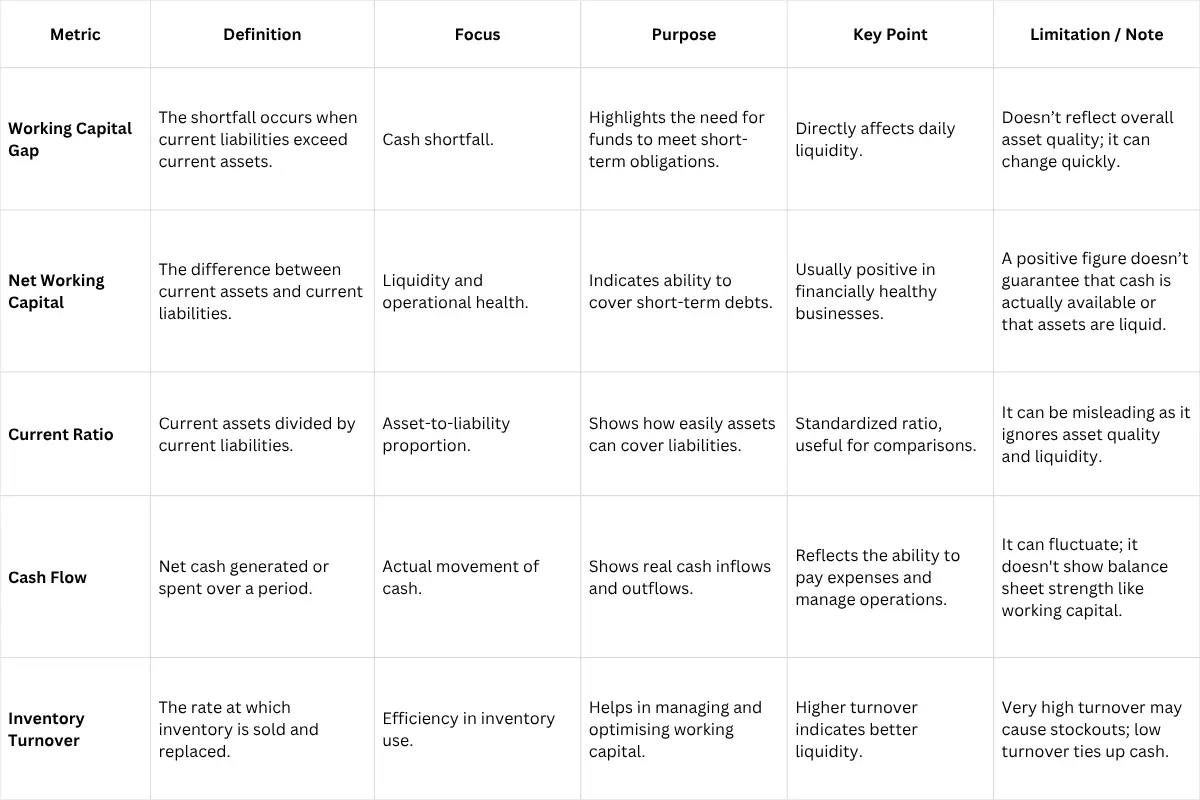
To give you a broader view, we’ll also compare the working capital gap with other financial metrics that businesses often track.
Let’s get into it!
At Quick Snapshot:
Working capital gap shows the shortfall between current assets and liabilities, highlighting cash needed for daily operations.
Common causes include delayed customer payments, inventory issues, supplier terms, rapid growth, and seasonal or economic factors.
Managing the gap involves monitoring receivables, optimising inventory, controlling expenses, improving cash flow forecasts, and streamlining the supply chain.
Limitations include being a snapshot measure, ignoring asset quality, seasonality, and not reflecting overall profitability or long-term obligations.
What is the Working Capital Gap?
The working capital gap is the difference between a company’s current assets (like receivables and inventory) and its current liabilities (mainly trade payables) that are directly related to day-to-day operations. It represents the shortfall in funds required to bridge the time gap between paying suppliers and receiving payments from customers.
Now that you understand what a working capital gap is, it’s worth exploring why it matters and how it can affect your business operations.
Importance of Working Capital Gap
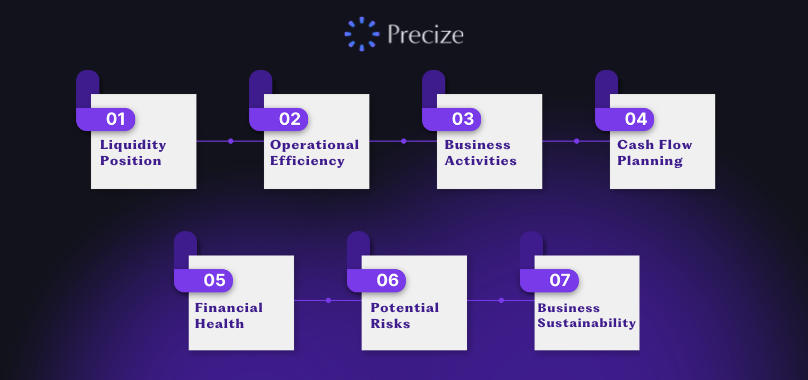
Understanding your working capital gap is key to keeping your business running smoothly. Here’s why it matters:
Shows Liquidity Position: It shows if your current assets are sufficient to meet short-term liabilities, giving a clear picture of your ability to handle immediate financial obligations.
Reflects Operational Efficiency: A healthy gap indicates that your day-to-day operations are running without cash crunches.
Impacts Daily Business Activities: It affects your ability to buy stock, pay salaries, and cover other regular expenses on time.
Supports Cash Flow Planning: Knowing the gap helps you manage cash flow and avoid disruptions in operations.
Signals Financial Health: A large or unmanaged gap can point to stress in your finances, which may affect relationships with suppliers or creditors.
Highlights Potential Risks: It can reveal issues caused by delayed customer payments, overstocking, or strict supplier terms.
Ensures Business Sustainability: Managing the gap effectively supports steady growth and reduces reliance on outside financing.
Knowing why the working capital gap is important is helpful, but the real insight comes when you calculate it and see the numbers for yourself.
How to Easily Calculate Working Capital Gap
To calculate the working capital gap, you first need to understand the components that make it up. The formula most businesses follow is:
Working Capital Gap = Current Assets – Current Liabilities – Cash & Bank Balance
Here’s what each part means:
Current Assets: Items such as inventory, customer receivables, or any asset that can be turned into cash within a year.
Current Liabilities: Your short-term debts, bills to pay, and other obligations due within a year.
Cash & Bank Balance: Money already in hand, which you don’t count in the gap since it’s immediately available.
For example, if your current assets are ₹50 lakh, current liabilities are ₹40 lakh, and cash in the bank is ₹5 lakh, your working capital gap is ₹5 lakh (₹50 lakh – ₹40 lakh – ₹5 lakh).
With the calculation in hand, it’s important to look at the common causes that lead to a working capital gap in the first place.
Common Causes of Working Capital Gap
Several factors can lead to a working capital gap, often arising from timing differences in cash flow, rapid business growth, or operational challenges that affect how money moves in and out of your business.
Delayed Customer Payments: When customers take longer to pay, your cash gets tied up, and you have less available for day-to-day expenses.
Short Payment Terms from Suppliers: If suppliers expect quick payment while your customers pay late, it creates a mismatch that increases the working capital gap.
Inefficient Inventory Management: Holding too much inventory locks up cash, while having too little can lead to missed sales and extra pressure on finances.
Rapid Business Growth: When your business expands fast, you might spend on stock and other essentials before the money from new sales comes in, creating a shortfall.
High Capital Expenses: Spending on machinery, technology, or other fixed assets leaves less cash for everyday operations.
Supply Chain Delays: Late deliveries from suppliers can hold up sales and cash flow, widening the gap.
Seasonal Demand and Industry Cycles: Businesses with seasonal fluctuations need more working capital during peak times, which can temporarily create a gap.
Timing Differences Between Revenue and Expenses: Paying for materials or wages upfront while getting paid later can temporarily reduce available cash.
Economic Slowdown: Lower sales or slower customer payments during tough economic periods can put extra strain on working capital.
Knowing the causes explains the gap, but recognizing its boundaries helps avoid misreading your business’s financial health.
Limitations of Working Capital Gap

When looking at the working capital gap, it’s essential to be aware of its limitations to get an accurate and practical understanding of what it actually reflects about your business. Here are the main points to consider:
1. Snapshot View
It reflects your financial position at a particular point in time. Since current assets and liabilities constantly change, it may not show the full operational picture.
2. Doesn’t Show Asset Quality
The metric considers the value of current assets, but doesn’t reveal if they can be quickly converted into cash. For instance, slow-moving inventory or overdue receivables may appear as assets, but don’t help in immediate cash needs.
3. Ignore Cash Timing
It doesn’t indicate when cash will actually come in or go out. You might have a gap on paper, but still manage cash flow by delaying payments or speeding up collections.
4. No Insight into Profitability or Efficiency
Working capital gap only measures liquidity and doesn’t tell you if your business is profitable or using resources effectively.
5. Varies by Industry
Different sectors have different working capital requirements. Comparing gaps across industries without context can be misleading due to varying cash flow patterns.
6. Excludes Future Obligations
It focuses on short-term assets and liabilities but doesn’t consider long-term debts or commitments that could affect cash flow.
7. Can Be Misinterpreted
A negative gap may seem alarming, but in some businesses, like retail with fast inventory turnover, it can be normal and not a cause for concern.
While knowing the gaps and limitations is important, the next step is learning how to handle them effectively to maintain a steady cash flow.
Strategies to Manage Working Capital Gap
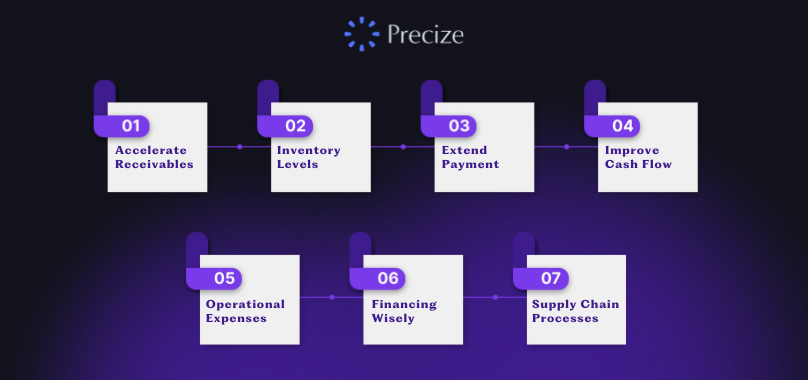
To keep your business running smoothly, it’s important to have practical ways to handle your working capital gap and ensure cash is available when you need it.
1. Monitor and Accelerate Receivables
Regularly track the money your customers owe. Encourage faster payments by setting clear terms, offering small incentives for early payment, or following up consistently. Quicker collections improve your available cash.
2. Optimize Inventory Levels
Avoid holding too much stock, which ties up cash, but also ensure you don’t run too low, which can disrupt operations. Using just-in-time inventory methods helps balance stock with demand and supply timings.
3. Extend Payment Terms With Suppliers
Where possible, negotiate longer payment cycles with suppliers without harming relationships. This allows more time to generate cash from sales before settling your bills.
4. Improve Cash Flow Forecasting
Regularly plan your cash inflows and outflows to anticipate shortages. Early planning helps prevent surprises that could widen the working capital gap.
5. Control Operational Expenses
Keep an eye on daily business costs and reduce unnecessary spending. Cutting down on avoidable expenses frees up cash for essential operations.
6. Use Working Capital Financing Wisely
Short-term funding options like overdrafts or loans can temporarily cover gaps, but they should be used carefully.
7. Streamline Supply Chain Processes
Enhancing efficiency in your supply chain reduces delays and costs, helping cash flow by speeding up production and delivery.
After taking steps to control your working capital gap, it’s important to see how it compares with other financial measures to get a complete view of liquidity and efficiency.