CSK unlisted shares have gained attention among investors evaluating alternative asset classes within the Indian market. Unlike traditional businesses, Chennai Super Kings Cricket Limited (CSK) operates as a sports franchise, where financial performance is closely linked to media rights, brand strength, and league economics.
A detailed assessment of CSK unlisted shares requires understanding its revenue model, financial trajectory, and positioning within the broader sports entertainment industry.
About CSK: Business Overview
Chennai Super Kings Cricket Limited (CSK) is among the most recognized franchises in the Indian Premier League (IPL). The company derives revenue through central league distributions, sponsorship agreements, and participation in domestic and international cricket leagues.
CSK has also expanded its presence globally through leagues such as:
SA20 (South Africa)
Major League Cricket (USA)
This expansion reflects a strategy aimed at leveraging brand equity beyond the IPL ecosystem.
Industry Overview: Franchise-Based Sports Model
The IPL operates on a centralized revenue-sharing model, where a significant portion of income is distributed among franchises.
Media rights form the largest revenue pool
Central revenue contributes a majority share to franchise earnings
Franchise valuations have seen steady growth, supported by strong viewership and commercial interest
This structure makes CSK’s financial performance partially dependent on league-level economics.
CSK Revenue Model
Revenue Mix (FY25)
Central IPL Media Rights: ~73%
Sponsorships: ~17%
Other Tournament Income: ~8%
Ancillary Revenue: ~2%
Analysis
The revenue mix indicates a high dependence on central distributions, with sponsorships acting as a secondary but significant contributor.
Media rights ensure a relatively stable income
Sponsorship revenue reflects brand strength and market visibility
Other streams provide limited diversification at present
Financial Performance Analysis
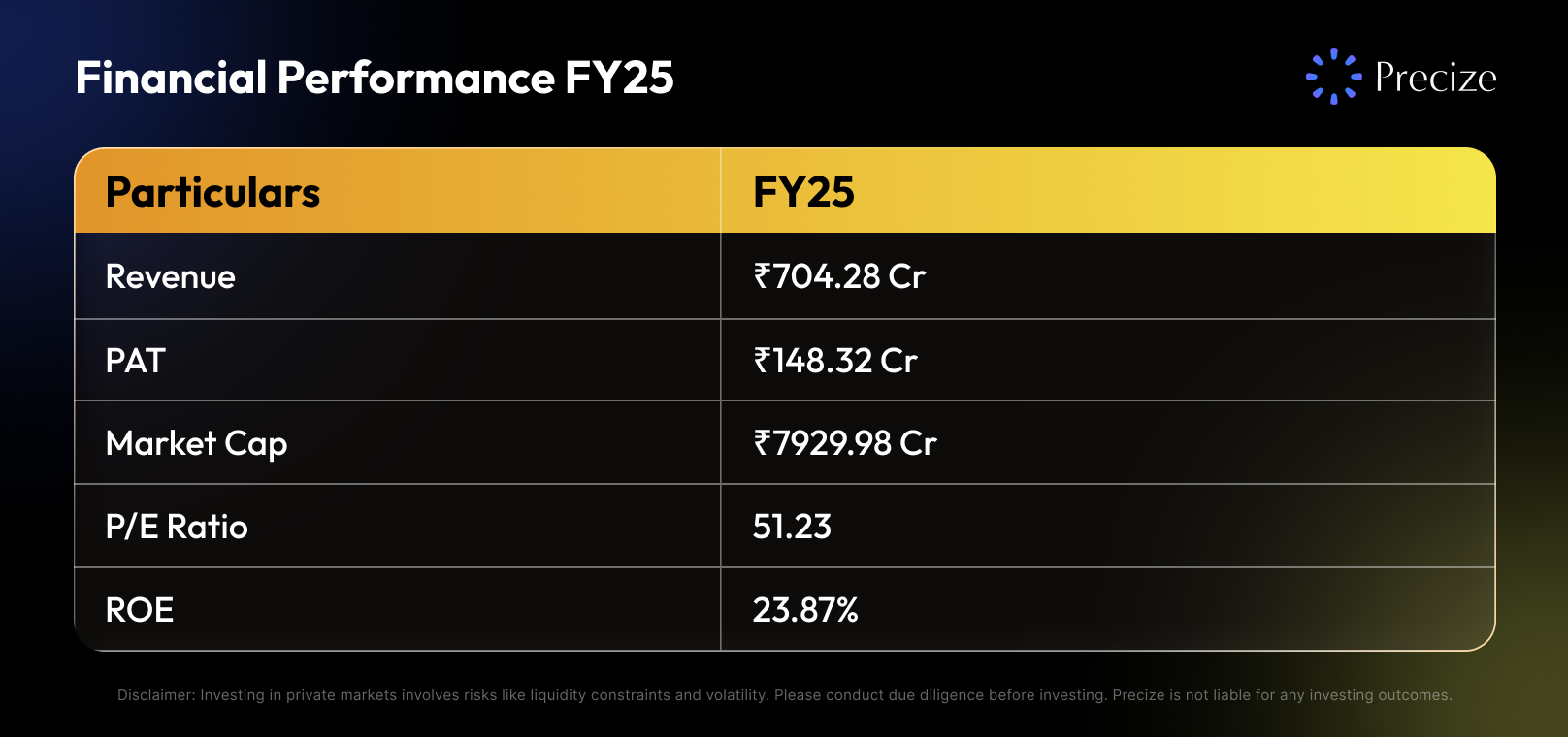
Historical Trend (FY21–FY25)
Revenue has shown moderate growth with fluctuations
Margins remain consistently strong, reflecting an asset-light model
Profitability is influenced by:
League cycles
Sponsorship performance
Media rights distribution
Key Observation
CSK operates with high margins compared to traditional sectors, driven by centralized revenue and relatively lower operating costs.
Business Model: Key Drivers
1. Centralized Revenue Structure
A significant portion of earnings comes from IPL media rights, providing predictable cash flows but creating concentration risk.
2. Brand Monetization
Strong fan engagement allows CSK to generate sponsorship and commercial revenue.
3. Asset-Light Operations
Unlike capital-intensive industries, CSK operates with limited fixed assets, supporting higher margins.
4. Global Expansion Strategy
Participation in overseas leagues provides additional growth opportunities and revenue diversification potential.
Competitive Positioning
Compared to other IPL franchises, CSK demonstrates:
Strong revenue base
Consistent profitability
High brand recall and fan loyalty
However, industry benchmarking indicates that:
Revenue growth is closely tied to league-level developments
Cost structures vary across franchises depending on strategy
Key Risks
1. Revenue Concentration Risk
Approximately 70%+ of revenue is linked to central IPL media rights distribution.
2. Dependence on League Economics
Changes in IPL media rights valuations or revenue-sharing structures can impact earnings.
3. Limited Diversification
Ancillary revenue streams currently contribute a smaller portion of total income.
4. Leadership and Transition Factors
Changes in leadership or team composition may influence brand engagement over time.
CSK Unlisted Shares: Key Considerations
Investors evaluating CSK unlisted shares typically consider:
Stability of centralized revenue streams
Sustainability of franchise-led business models
Brand strength and fan engagement
Expansion into global leagues
The combination of strong brand equity and profitability positions CSK uniquely within the unlisted market, while its dependence on league-driven revenues remains a structural factor.
Conclusion
CSK unlisted shares represent a business model where financial performance is driven by a combination of media rights, sponsorships, and brand value. The company demonstrates consistent profitability and strong margins, supported by a centralized revenue framework. At the same time, factors such as revenue concentration and dependence on league dynamics play an important role in evaluating the overall business outlook.