
Section 1 / 9
What are unlisted shares?
Unlisted shares are equity shares of companies that are not traded on a recognised stock exchange — such as the National Stock Exchange (NSE) or the Bombay Stock Exchange (BSE). Instead, they change hands through private, over-the-counter (OTC) transactions between buyers and sellers, facilitated by intermediaries or platforms like Precize.
If a company has issued shares but has not yet completed an IPO, those shares are, by definition, unlisted. This includes late-stage startups like Zepto, established financial institutions like Incred Holdings, and NSE itself — which has over ₹5.8 lakh crore in implied market capitalisation but has not yet received SEBI approval to list.
Unlisted vs listed shares — key differences
| Feature | Listed shares | Unlisted shares |
|---|---|---|
| Where traded | NSE / BSE | OTC / Precize |
| Price discovery | Real-time market orders | Negotiated / aggregated |
| Liquidity | High — sell anytime | Precize: 24 - 48 hr exit |
| SEBI regulation | Heavily regulated | Legal; Companies Act 2013 |
| Disclosure | Quarterly filings required | Limited - research needed |
| Entry price | Public market price | Often below IPO price |
Why do companies have unlisted shares?
A company's shares become unlisted when it has issued equity to private investors — founders, employees (via ESOPs), VCs, or strategic investors — but has not yet gone public. Some remain private by choice, while others are actively working toward a listing.
Section 2 / 9
Why invest in unlisted shares?
Section 3 / 9
How unlisted shares work in India
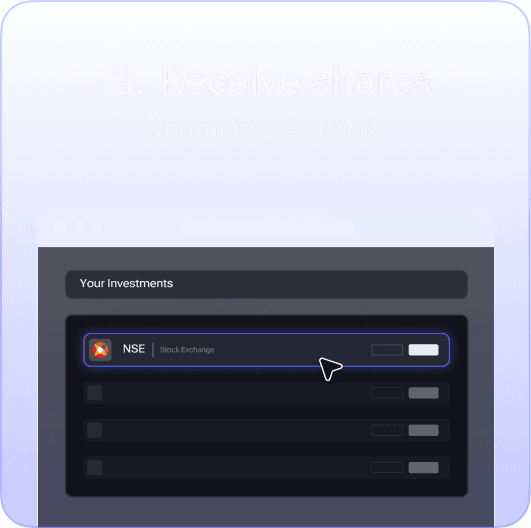
Unlisted shares trade over-the-counter — no central exchange. Precize aggregates sellers and buyers, verifies ownership, and facilitates transfer directly to your demat account. The process takes 24–48 business hours from payment.
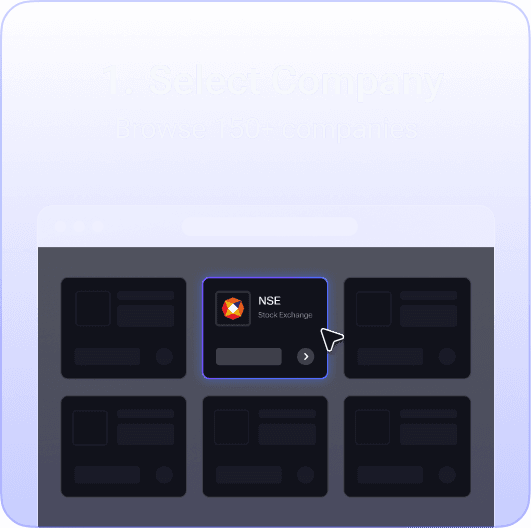
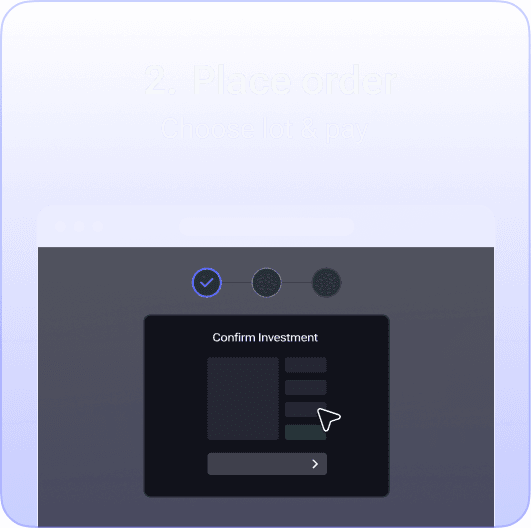
Confirm, order, pay — three steps
Section 4 / 9
Top unlisted companies in India (2026)
A curated selection of leading private growth companies — each with price history, analyst reports, and a direct path to your demat account via Precize.

National Stock Exchange (NSE)
Financial Services
India's largest stock exchange. Implied market cap ~₹5.8L Cr. SEBI approval still pending.
Section 5 / 9
How to buy unlisted shares in India
Buying on Precize takes under 10 minutes with a KYC-complete demat account. You need a PAN-linked demat (Zerodha or Groww or HDFC Securities) and funds available via UPI or Net Banking. Minimum ticket size is ₹10,000.
Step 1
Register and complete KYC on Precize using PAN, Demat account and Bank account — under 5 minutes.
Section 6 / 9
Risks of investing in unlisted shares
Unlisted shares carry unique risks that listed equity does not. Here is an honest view — alongside how Precize mitigates each.
| Risks | Description | Why Precize is better |
|---|---|---|
| Liquidity risk | No exchange means finding a buyer takes time on informal channels — days or weeks. | Exit window of 24–48 hours from your sell request. |
Section 7 / 9
Tax on unlisted shares in India
Capital gains tax applies on profits from selling unlisted shares. The rate depends on your holding period — measured from date of allotment or transfer.
Short-term capital gain
Slab rate
- Held less than 24 months
- Added to total income — taxed at your applicable slab (up to 30% for income above ₹15L)
Long-term capital gain
12.5%
Section 8 / 9
How to sell unlisted shares - exit strategy
Selling unlisted shares is harder than listed equity — but Precize offers a 24–48 hour exit window. Initiate a sell request, Precize matches you with a verified buyer from its network, and the transfer is processed from your demat.
Before selling, consider whether you are within the 24-month STCG window. Waiting for LTCG treatment at 12.5% can significantly improve net returns on high-gain positions.

Section 9 / 9