
Section 1 / 8
What is pre - IPO investing?
Pre-IPO investing means buying equity in a company before it lists on a stock exchange. You're not subscribing to an IPO — you're entering earlier, in the private market, at a price negotiated between buyers and sellers rather than set by an exchange.
The pre-IPO return profile
Pre-IPO investing offers a longer runway to value creation — you're buying when fewer people have access, before the company's growth story is fully priced in. The trade-off is real: lower liquidity, less public information, and no exchange-set price. Done well, it's one of the highest-conviction return opportunities available to retail investors. Done poorly, it can mean being locked into a position in a company whose fundamentals have deteriorated.
Section 2 / 8
How pre-IPO returns work — with real data
The mechanism is simple: you buy shares at the pre-IPO OTC price. If the company lists at a higher price, you make a gain on day one — before the market opens to the public. But returns are not guaranteed, and the range of outcomes is wide. Here is the honest picture.

Beauty & personal care e-commerce | Listed 2021
₹400
Pre - IPO avg. price
₹1,125
IPO issue price
₹2,018
Listing price
~1.6 - 1.8x
Return vs pre-IPO entry
Key lesson: Strong listing followed by sharp correction due to valuation compression and lock-in expiry selling.

Food delivery | Listed 2021
₹70
Pre - IPO avg. price
₹76
IPO issue price
₹116
Listing price
~1.8 - 2.1x
Day-1 listing pop
Key lesson: Sustained rerating driven by profitability and Blinkit-led growth.

Food delivery | Listed 2024
₹320
Pre - IPO avg. price
₹390
IPO issue price
₹420
Listing price
~1.0 - 1.1x
Pre-IPO to issue price
Key lesson: Muted listing and range-bound performance reflecting profitability concerns and competitive intensity vs Zomato.

Solar manufacturing | Listed 2024
₹1,200
Pre - IPO avg. price
₹1,503
IPO issue price
~₹2,500+
Listing price
~1.6 - 1.8x
Pre-IPO to issue price
Key lesson: Strong listing gains backed by solar sector tailwinds, though volatility remains high post listing.
See current pre-IPO opportunities
With analyst reports, price history, and IPO timelines
Section 3 / 8
How to identify good pre-IPO opportunities
The evaluation framework for pre-IPO investing is different from listed equity research. You have less public data, no live price signal, and a binary outcome structure — either the IPO happens and you get liquidity, or it doesn't. Here is what to look for.
DRHP filing status
A Draft Red Herring Prospectus filed with SEBI is the clearest signal that an IPO is imminent. It means the company has engaged investment banks, disclosed financials, and is actively seeking listing approval.
Zepto: DRHP filed December 2025 — IPO expected H1 2026Revenue growth trajectory
Look for consistent revenue growth (30%+ YoY for early-stage, 15%+ for mature) and a clear path to profitability — not just revenue scale. A profitable NBFC like HDB Financial is a fundamentally different risk profile from a loss-making quick-commerce company.
HDB Financial: HDFC Group NBFC, strong balance sheet, clear path to listingTotal Addressable Market (TAM)
The pre-IPO premium is justified when the company is addressing a large, underpenetrated market. NSE's TAM is effectively the entirety of India's capital markets — the monopoly moat is exceptional. Compare TAM size against the company's current market share.
NSE: India’s largest exchange, ~₹5.8L Cr implied market cap, monopoly positionEntry price vs fair value
The biggest mistake in pre-IPO investing is paying a price that already prices in the IPO premium. Use the last funding round valuation and comparable listed company multiples as anchors. If the pre-IPO OTC price implies a higher multiple than listed peers, the risk-reward is unfavourable.
Precize analyst view: current price vs fair value estimate on each company pageGreen flags vs red flagsWhat drives the price up or down
Green flags — consider buying
- DRHP filed or SEBI approval received
- IPO date confirmed or within 6–12 months
- Revenue growing 25%+ YoY with improving margins
- Strong institutional ownership (PE/VC backing from credible names)
- New funding round at higher valuation
- OTC price meaningfully below last funding round valuation
Red flags — proceed with caution
- IPO delayed more than once with no clear new timeline
- OTC price equal to or above last funding round valuation
- Revenue declining or growth decelerating sharply
- Governance issues, founder disputes, or regulatory scrutiny
- Down round in latest funding (lower valuation than previous round)
- Wide bid-ask spread on OTC market — signals low buyer conviction
Section 4 / 8
Top pre-IPO companies to watch in 2026
These are the most actively discussed and traded pre-IPO names on Precize heading into 2026. Each has a distinct risk-return profile — read the Precize analyst report on each company page before investing.

National Stock Exchange (NSE)
Stock Exchange
India's largest stock exchange. Implied market cap ~₹5.8L Cr. SEBI approval still pending.

Zepto
Ecommerce
10-minute grocery delivery. DRHP filed December 2025; IPO expected H1 2026.

Metropolitan Stock Exchange of India
Stock Exchange
Emerging stock exchange. Unlisted trading active. No IPO filing or timeline yet.

Oravel Stays (OYO Rooms)
Hospitality
Global hospitality platform. DRHP withdrawn. IPO plans ongoing with re-filing expected.
Browse all 150+ companies
With live indicative prices, analyst reports, and IPO timelines

Section 5 / 8
Risks of pre-IPO investing
Pre-IPO investing carries risks that don't exist in listed equity. Understanding them is not optional — it's the precondition for investing responsibly in this asset class.
IPO delay risk
Companies push back listings for years — sometimes indefinitely. NSE has been expected to list for over a decade. If the IPO window closes due to market conditions, regulatory issues, or founder decisions, you may be holding an illiquid position with no clear exit horizon.
Valuation risk
Private valuations are set by the last funding round, not by public market discipline. The PharmEasy story is the cautionary example — peak private valuation of ₹50,000 crore implied a public market multiple that the company could never justify once it faced scrutiny. Always compare to listed peers.
Lock-in risk after IPO
When a company lists, pre-IPO investors face a mandatory 6-month lock-in per SEBI regulations. During this period, the stock price can move substantially. Investors who cannot sell for 6 months may see gains evaporate if the stock corrects post-listing — as happened with several 2021-vintage listings.
Information risk
Private companies are not required to file quarterly disclosures. The information available to pre-IPO investors is asymmetric relative to what promoters and VCs know. This is why analyst research — like what Precize provides on each company page — matters significantly more here than for listed stocks.
Liquidity risk
Without a stock exchange, finding a buyer when you want to exit is not guaranteed. Most platforms let you list shares for sale; Precize actively sources buyers. Even so, for illiquid or less-popular names, exit may take time or require a price concession.
Section 6 / 8
Pre - IPO vs IPO vs listed shares - which is right for you?
These three entry points represent fundamentally different risk-return propositions. The right choice depends on your conviction in the company, your liquidity needs, your tax situation, and your time horizon.
Portfolio allocation guidance


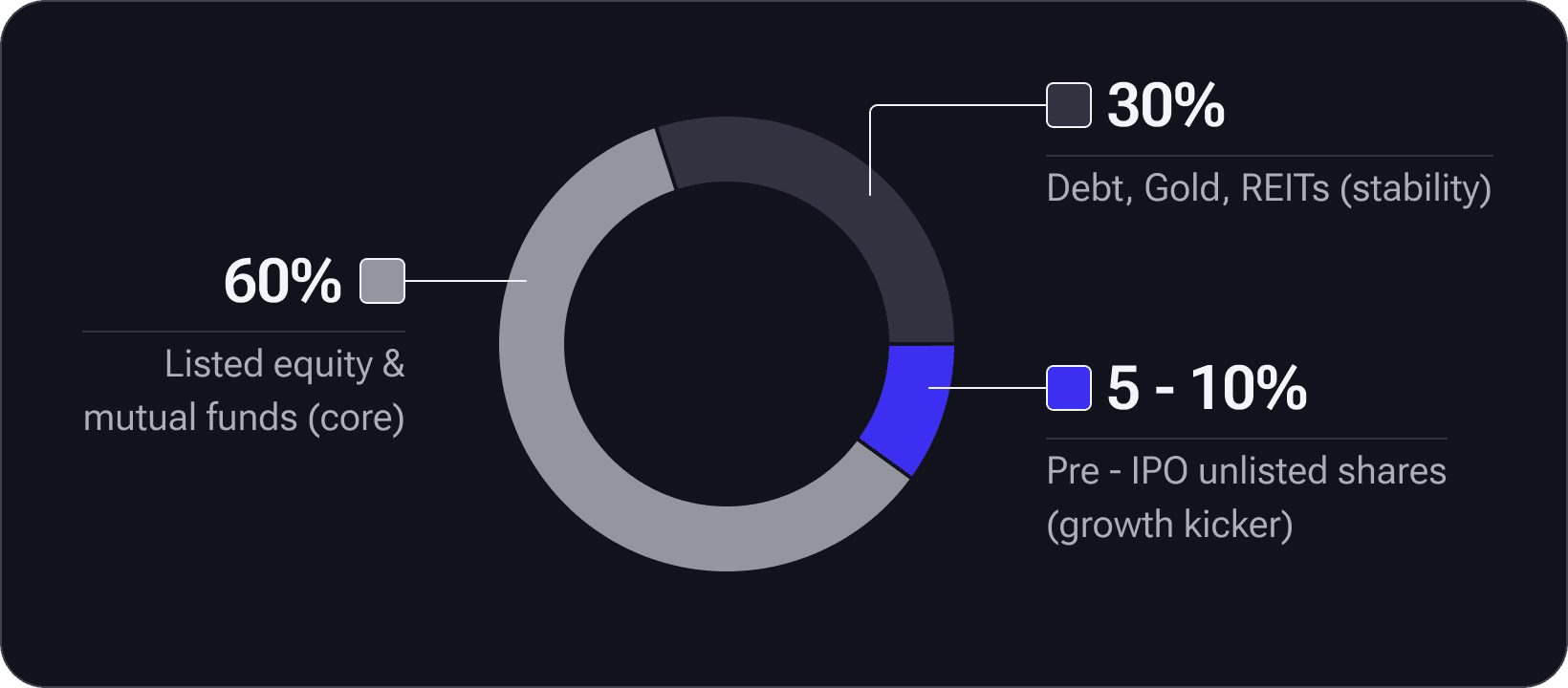
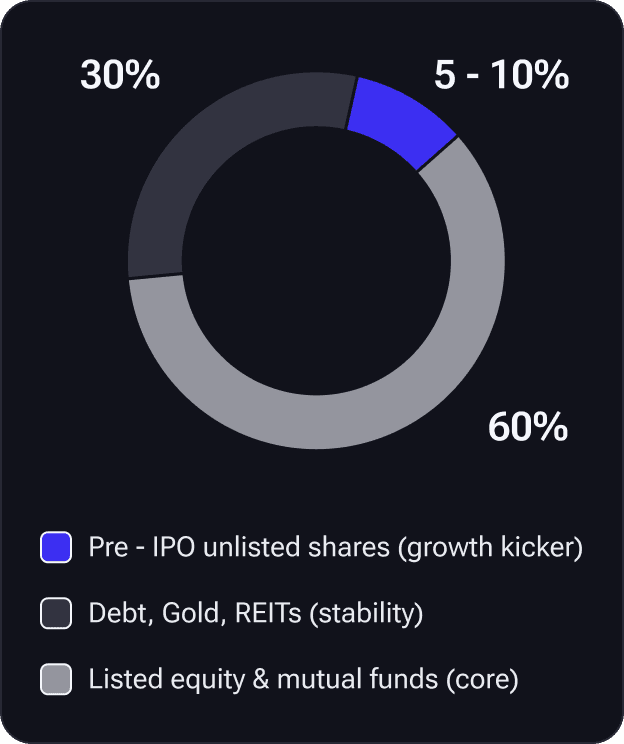
Pre-IPO investing works best as a portfolio kicker — a concentrated, high-conviction allocation in 2–4 companies, not a diversified basket. More than 10% of portfolio in pre-IPO names increases concentration risk significantly. For HNIs and sophisticated investors comfortable with illiquidity, higher allocations can be considered with appropriate structuring.
Section 7 / 8
How to invest in pre-IPO shares on Precize
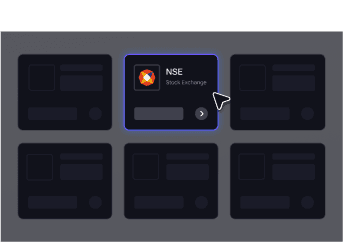
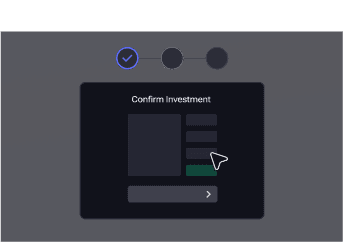
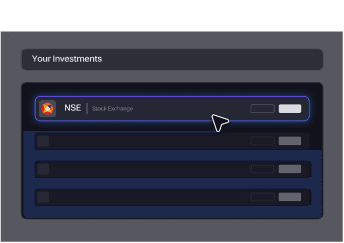
The process is fully digital — from browsing to demat delivery. Here's the three-step overview. For the full step-by-step guide including KYC requirements, lot sizes, and what to expect after payment, see our dedicated buying guide.
1. Browse & Research
2. Place order & pay
3. Shares in demat
Precize's three distinct advantages over other platforms: verified deals (every seller is KYC-verified before listing), in-house analyst research (fundamental analysis on each company, not just price data), and active exit (Precize sources buyers — you're not just posting a listing and hoping).
Ready to invest? KYC, lot sizes, and the full step-by-step process
Covered in our buying guide

Section 8 / 8