


Chennai Super Kings (CSK) is one of the most recognised franchises in the Indian Premier League (IPL), backed by a loyal fan base and a strong commercial presence. However, beyond its popularity on the cricket field, the franchise's financial performance offers another perspective on its business.
The CSK FY26 results present a mixed picture. Chennai Super Kings Cricket Limited reported consolidated revenue from operations of ₹697.14 crore, registering modest year-on-year growth. However, profitability declined as operating expenses increased and earnings came under pressure.
For investors tracking CSK unlisted shares, the latest financial results highlight the importance of looking beyond brand value and examining revenue growth, profit margins and cash flow.
CSK FY26 Financial Highlights
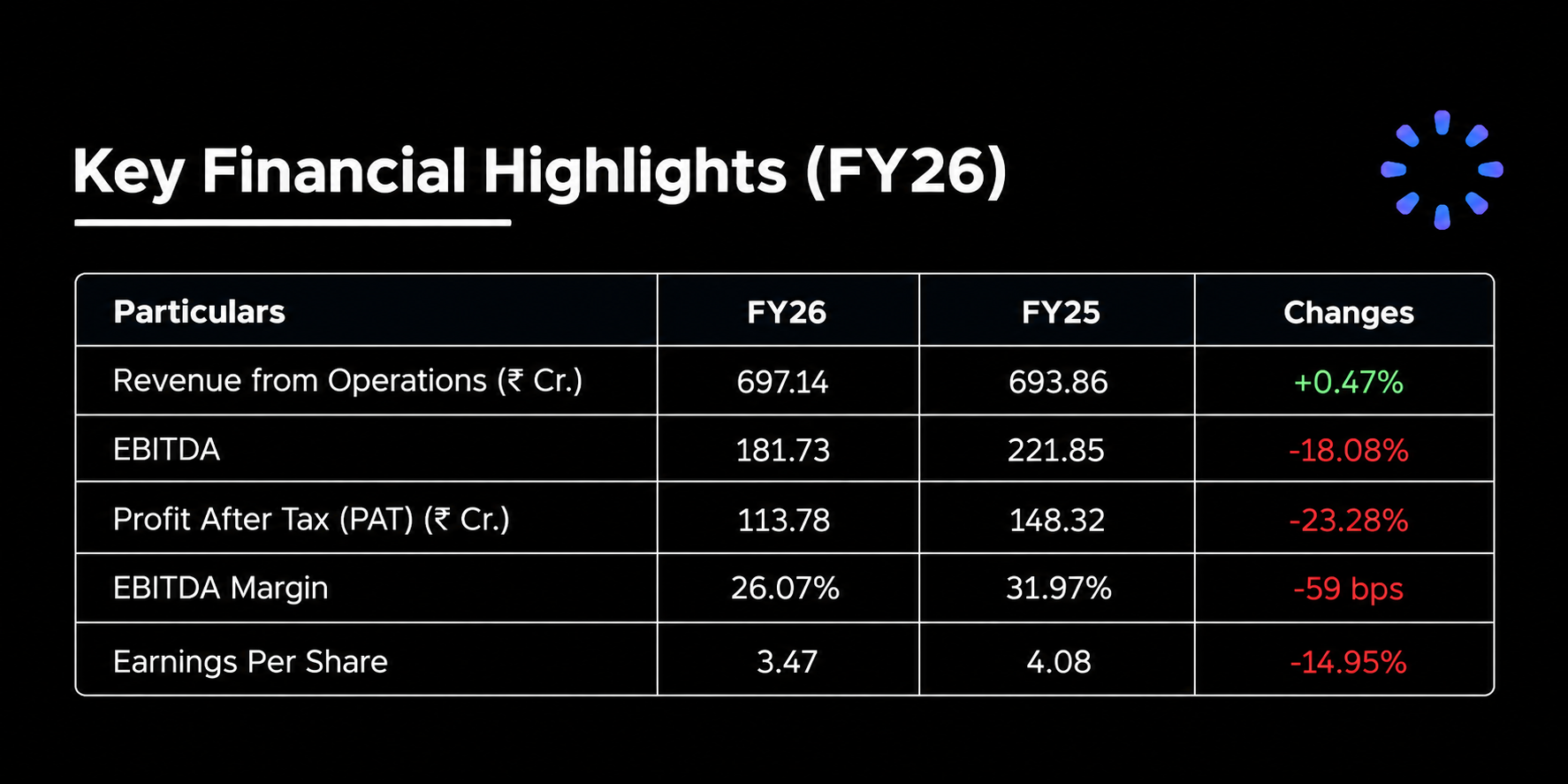
The company's consolidated financial performance for FY26, compared with FY25, is summarised below.
1. Revenue Growth Remains Steady
CSK recorded revenue from operations of ₹697.14 crore in FY26, compared with ₹673.87 crore in FY25. This represents growth of approximately 3.45%.
The increase is notable because the business faced pressure on certain revenue streams. According to the annual report, consolidated income from central rights declined from ₹493.38 crore to ₹458.08 crore.
However, higher sponsorship income and other tournament-related revenue helped offset this decline. Sponsorship income increased from ₹116.35 crore in FY25 to ₹153.80 crore in FY26, demonstrating the importance of commercial partnerships to the franchise.
This performance highlights CSK's ability to generate revenue through multiple channels, even when a key income source experiences pressure.
2. Profitability Declines Despite Revenue Growth
While revenue increased, CSK's profitability weakened during FY26.
EBITDA declined by 18.08% to ₹181.73 crore, while profit after tax fell 23.28% to ₹113.79 crore. The EBITDA margin also contracted from 31.97% to 26.07%.
The company's annual report points to higher operating costs and employee benefit expenses. Consolidated costs of operations increased from ₹450.58 crore in FY25 to ₹488.25 crore in FY26, reflecting higher player and support staff remuneration, tournament expenditure and administration expenses.
The decline in profitability suggests that revenue growth did not translate into stronger earnings. Investors will need to watch whether CSK can manage its cost base and improve margins in subsequent financial years.
3. CSK's Business Extends Beyond the IPL
CSK's commercial potential is not limited to its participation in the IPL. The wider Super Kings ecosystem includes international franchise interests, cricket academies and other cricket-related commercial activities.
The company's annual report highlights the expansion of the Super Kings Academy network to more than 30 centres, including international locations such as Singapore, Canada, Qatar and Dubai.
The academy conducted over 3,000 practice matches during the year, while 51 academy players represented Tamil Nadu state teams. These initiatives can support long-term brand development, grassroots cricket participation and talent identification.
CSK also has international franchise interests, including Joburg Super Kings in South Africa's SA20 league. Such operations provide opportunities to expand the Super Kings brand across cricket markets, although international expansion also carries costs and profitability risks.
4. Dividend Announcement and Financial Position
CSK's FY26 annual report states that the board recommended a dividend of ₹1 per equity share, subject to shareholder approval at the Annual General Meeting. The recommendation relates to shares with a face value of ₹0.10 each.
The company's FY26 financial summary also indicates a debt-to-equity ratio of 0.00x, reflecting minimal reliance on borrowings relative to equity.
However, other indicators require attention. The current ratio improved from 1.78x to 2.68x, while the cash flow ratio declined from 0.50x to -0.03x. Return on equity also fell from 23.87% to 14.87%.
Together, these figures indicate that while the balance sheet remains relatively conservative, earnings efficiency and cash flow generation weakened during the year.
Key Risks to Consider
Investors evaluating CSK unlisted shares should consider the following risks:
Declining profitability: PAT fell by more than 23% in FY26, despite higher operating revenue.
Dependence on cricket-related income: Central rights, sponsorships and tournament-related revenue remain important drivers of financial performance.
Cost pressures: Higher operating expenses can affect margins even when revenue increases.
Seasonal and performance-linked revenue: Team performance and changes in tournament-related income can influence the franchise's financial results.
International expansion risks: Overseas franchises and academy operations offer growth opportunities but may also require sustained investment.
Conclusion: What Do CSK FY26 Results Mean for Investors?
The CSK FY26 results reflect a business with a valuable franchise brand and growing operating revenue, but with clear pressure on profitability.
Revenue from operations increased to ₹697.14 crore, supported by stronger sponsorship and tournament-related income. However, lower EBITDA, declining PAT and weaker cash flow indicators suggest that earnings growth remains a key area to monitor.
For investors researching Chennai Super Kings unlisted shares, the key question is whether the franchise can translate its strong brand recognition and commercial reach into sustainable earnings growth.
A strong brand is an advantage, but financial performance, valuation and future profitability remain essential considerations. Investors should assess these factors together before making any investment decision.
To compare companies, documents, and availability explore unlisted companies on Precize. For ongoing IPO and private-market updates, browse the Precize blog. Stay updated with unlisted companies through our Precize Community. If this article was useful, you can share it with other investors through the Precize Referral Program.
Frequently Asked Questions (FAQs)
Chennai Super Kings reported consolidated revenue from operations of ₹697.14 crore in FY26, up 3.45% year-on-year. However, profit after tax declined to ₹113.79 crore from ₹148.32 crore in FY25.
CSK's profitability declined due to higher operating expenses, including player and support staff remuneration, tournament expenditure and administration costs, despite growth in operating revenue.
CSK's EBITDA margin fell to 26.07% in FY26 from 31.97% in FY25, indicating pressure on operating profitability.
Yes. The board recommended a dividend of ₹1 per equity share with a face value of ₹0.10, subject to shareholder approval at the Annual General Meeting.
Investors should evaluate CSK's financial performance, profitability trends, cash flow, business risks and share valuation. A strong brand and fan following do not automatically guarantee attractive investment returns.
Disclaimer: This article is for informational purposes only and should not be considered as investment advice. Investing in unlisted shares carries risks including illiquidity and potential loss of capital. Please consult with a qualified financial advisor before making investment decisions. Precize is not a stock exchange and is not authorized by any capital markets regulator.