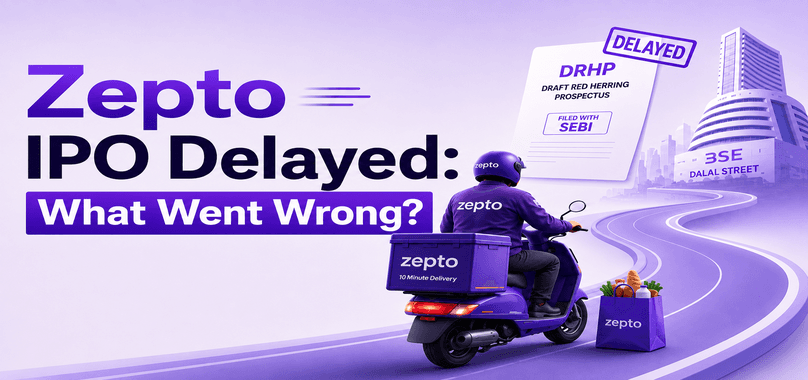
For years, Zepto built its identity around one simple promise: speed.
Its name itself comes from “zeptosecond”, an extremely small unit of time. The message was clear even before a customer opened the app — Zepto wanted to be associated with delivering everyday essentials faster than anyone else.
But in 2026, that proposition came under pressure. A government directive stopped quick-commerce companies from advertising guaranteed 10-minute delivery, removing one of the most recognisable elements of Zepto’s brand. Soon after, the company postponed its much-awaited IPO.
The company has maintained that the two events are unrelated. But the sequence raises an important question: Did Zepto lose more than a tagline when it lost its speed promise?
From 10-Minute Delivery to a Different Zepto
Zepto's growth story was closely linked to the idea of instant gratification.
Customers were not simply buying groceries. They were buying convenience — the ability to order milk, snacks, medicines or other everyday products and receive them within minutes.
That proposition helped Zepto stand out in India's increasingly crowded quick-commerce market.
However, after the restrictions on advertising guaranteed 10-minute delivery, Zepto had to change the way it communicated with customers. While the underlying delivery infrastructure remained, the strongest marketing message around speed could no longer be used in the same way.
For a company whose brand had been built around speed, this was significant.
The challenge was that competitors were not standing still.