Step 1: Create a Demat and Trading Account
Before you can buy shares online, you need two key accounts:
To open these, you must go through a SEBI-registered broker. Full-service brokers offer research and advisory, while discount brokers focus on low-cost, no-frills trading.
Documents needed: PAN card, Aadhaar card, proof of address, bank account details, and a recent photo. Most brokers allow e-KYC, so the process is quick and paperless.
Step 2: Add Money to Your Trading Account
You need to add funds to your trading account before placing any orders. Most brokers let you transfer money securely using UPI, NEFT, RTGS, or net banking.
If you are a beginner, start with a small amount. Even a few thousand rupees is enough to explore how the platform works and build confidence without putting too much money at risk.
Step 3: Research and Select Shares
Buying shares without research is like jumping into a river without knowing how deep it is. Before you make your first investment, spend some time analyzing companies:
Fundamental analysis: Look at a company’s revenue, profits, debt levels, and growth potential.
Technical analysis: If you prefer short-term trades, study price charts, trends, and trading volumes.
Broker tools: Many platforms offer stock screeners, watchlists, and analyst reports to help you decide.
Think about your goals. Are you investing for long-term wealth creation, or do you want quick short-term gains? Your strategy will determine which stocks are right for you.
Step 4: Place an Order Online
Placing an order online is simple, but you need to understand your options:
Market order: Purchase the stock immediately at the current market price.
Limit order: Lets you set your own price, and the order only executes when the stock reaches that price.
After placing the order, you’ll receive confirmation, and your shares will be added to your Demat account. With India’s T+1 settlement cycle introduced by SEBI, this usually happens by the next business day.
Step 5: Monitor and Manage Your Portfolio
Owning shares means keeping track of their performance. Most trading apps allow you to set price alerts or track company updates.
Here are some tips:
Diversify: Spread your money across sectors to reduce risk.
Stay informed: Follow company announcements and market trends.
Review regularly: Check whether your stocks are still aligned with your goals.
While managing your portfolio is exciting, don’t forget that every trade comes with costs. Let’s look at the charges you should be aware of.
Also Read: Investing in India’s Private Equity Opportunities
Costs and Charges You Should Know
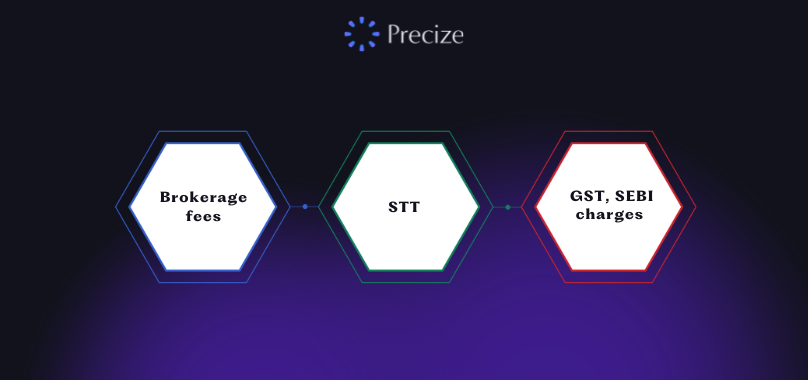
Every trade you make online comes with costs beyond just the stock price. Understanding these helps you calculate your real profits:
1. Brokerage fees:
Full-service brokers usually charge a percentage of the trade value.
Discount brokers usually charge a flat fee per trade, making them more affordable for frequent investors.
2. STT (Securities Transaction Tax):
This is a government tax applied to the purchase and sale of securities.
3. GST, SEBI charges, and stamp duty:
GST is levied on brokerage and transaction fees.
SEBI charges are small fees collected by the regulator.
Stamp duty varies slightly by state.
Even though these charges seem small, they add up over time, especially if you trade often. For example, a day trader making multiple trades in a week may see a significant part of their profit eaten up by costs.
Once you understand the costs, the next step is to avoid the common mistakes that often trip up beginners.
Common Mistakes Beginners Should Avoid
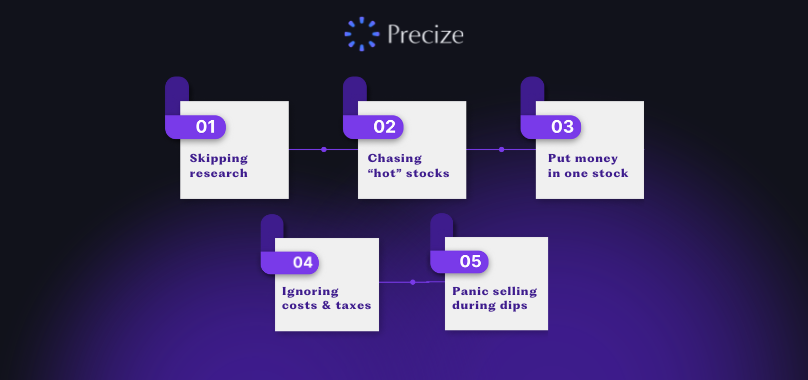
When you first enter the stock market, it’s easy to get caught up in the excitement. But rushing into trades without a plan often leads to regret. Here are some of the most common mistakes beginners make:
1. Skipping research
Buying a stock just because someone recommended it or because it’s trending on social media is risky. Without checking the company’s financials, performance history, and growth outlook, you’re essentially gambling rather than investing.
2. Chasing “hot” stocks
Rapid growth in a stock’s price doesn’t ensure it will keep increasing. Many beginners buy at inflated prices only to see the value drop once the hype fades.
3. Putting all your money in one stock
It’s tempting to put everything into a company you believe in, but no business is risk-free. Diversifying across sectors helps you balance losses if one stock performs poorly.
4. Ignoring costs and taxes
Even small brokerage fees, taxes, and charges can eat into profits, especially if you trade frequently. Always factor these in when calculating returns.
5. Panic selling during dips
Markets naturally rise and fall. Beginners often sell in fear during a downturn, locking in losses that could have been temporary on paper. Patience is key to long-term success.
Avoiding these mistakes will help you preserve your capital and make more rational decisions. Once you build discipline, the next step is ensuring your trading process is safe and secure.
Safety Tips for Online Trading
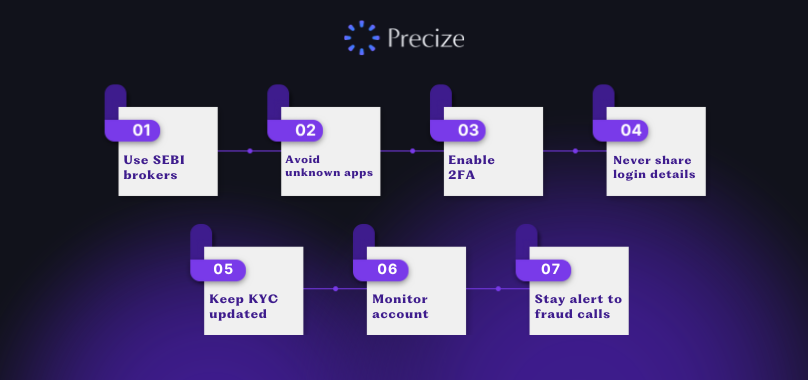
While technology has made investing easier, it has also increased the chances of scams and fraud. To protect your money, follow these essential safety practices:
1. Use SEBI-registered brokers only
SEBI regulates the stock market in India. Trading with a registered broker ensures your money and shares are handled legally and transparently.
2. Avoid unknown apps or websites
Fake trading apps and phishing websites are on the rise. Always download official broker apps from trusted sources like the Apple App Store or Google Play Store.
3. Enable two-factor authentication (2FA)
Adding an extra layer of security, such as OTPs or app-based authenticators, helps prevent unauthorized access to your account.
4. Never share login details
Treat your trading account like your bank account. Sharing credentials with friends, family, or anyone else puts you at risk of theft.
5. Keep KYC updated
Brokers require your KYC to be current for smooth transactions. Outdated details may cause trading interruptions or compliance issues.
6. Regularly monitor account activity
Check your trade history and statements often. If you spot suspicious activity, report it to your broker immediately.
7. Stay alert to fraud calls and tips
Fraudsters may pose as “advisors” promising guaranteed profits. Keep in mind, the market is unpredictable, and no one can forecast it with certainty.
By staying vigilant and following these practices, you can make your online trading journey both secure and stress-free.
Once you know how to protect yourself online, you’re better prepared to focus on building a consistent investment strategy.
Final Thoughts
Buying shares online in India has never been easier. With a Demat and trading account, some initial research, and the right strategy, you can begin your investing journey in just a few steps. The key is to start small, learn gradually, and focus on discipline rather than quick wins.
At Precize, we go beyond regular stock market investing. Our platform gives you access to exclusive opportunities like unlisted pre-IPO shares and private credit deals, assets that can diversify your portfolio and create long-term value.
Want to explore these alternative investments? Start investing with Precize today.